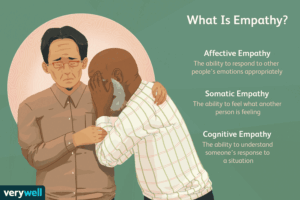




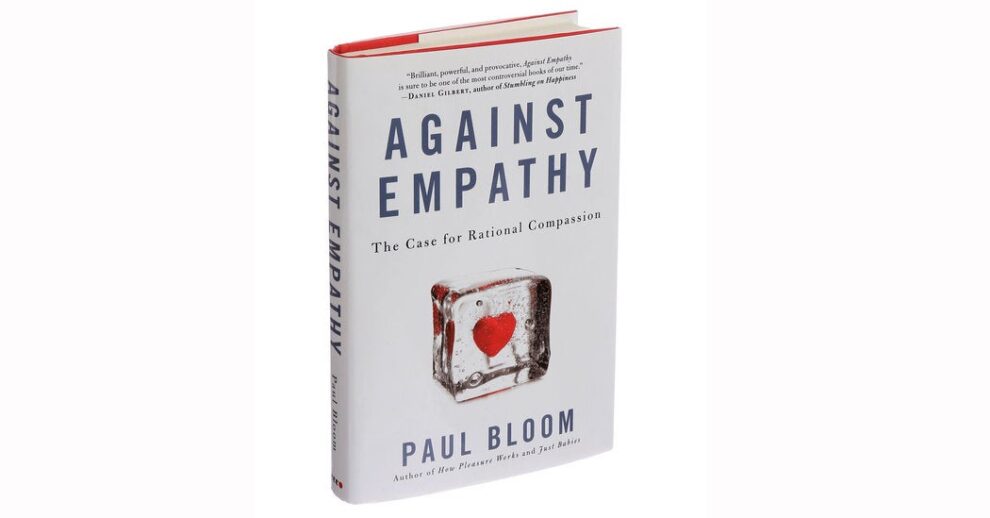


The case against empathy is a provocative argument advanced by psychologist Paul Bloom in his book Against Empathy. It challenges the assumption that empathy is an unqualified moral good. Bloom argues that emotional empathy—feeling what others feel—is a poor guide for moral decisions and actually leads us astray. He advocates instead for “rational compassion”—deliberate, impartial care guided by reason.
The argument rests on empathy’s inherent limitations. Empathy is biased—we feel more for those similar to us, while our empathic response diminishes for out-groups. It is innumerate—it focuses intensely on one identifiable victim while ignoring statistical data about thousands. Empathy can be easily manipulated by media and politicians to provoke outrage or justify discrimination against marginalised groups.
What makes this critique compelling is its distinction between feeling and acting. Rational compassion means understanding suffering without being emotionally overwhelmed. A doctor needs to understand pain to help, not become consumed by it. Fair public policy requires overriding empathy for “our own” to consider all, including foreigners and future generations. Emotional empathy, while valuable in personal connection, fails as a guide for justice.
The case against empathy does not advocate cruelty but a more deliberate care, tempering emotional intuition with reason to create a more just and effective foundation for morality, policy, and sustainable compassion.