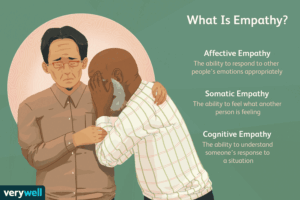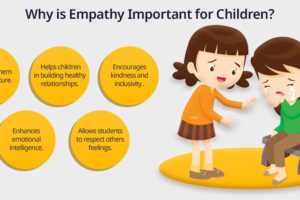






A toxic empath refers to someone whose empathic tendencies become so extreme and unregulated that they cause harm to themselves and, paradoxically, to those they seek to help. Toxic empathy occurs when a person over-identifies with another’s emotions to such a degree that they prioritise others’ challenges while neglecting their own needs. This goes beyond healthy compassion into emotional enmeshment, where boundaries dissolve.
Toxic empathy often originates in childhood, where emotional attunement to others was necessary for survival. It manifests through several signs: treating others’ problems as one’s own, feeling compelled to solve them, avoiding accountability in others, and experiencing exhaustion after interactions. Those with toxic empathy may compromise their own needs repeatedly and struggle to differentiate caring from carrying.
What makes toxic empathy compelling is its paradoxical nature. While motivated by genuine care, it harms both giver and receiver. The giver experiences compassion fatigue, burnout, and physical symptoms like disrupted sleep. The receiver faces dependency and disempowerment, as constant rescuing shields them from natural consequences. There is a critical threshold—the “resentment line”—where empathy tips into toxicity and resentment begins to fester.
Toxic empathy is compassion without boundaries—consuming rather than connecting. Healing requires learning to differentiate one’s own emotions from others’, establishing clear limits, and extending the same compassion inward that one so freely offers outward.