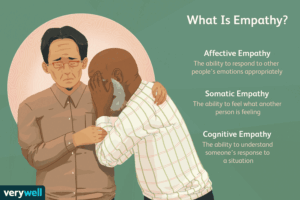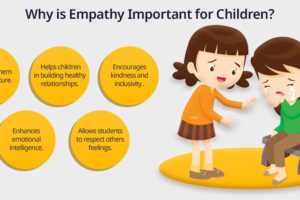







Empathy in culture refers to the values, norms, and practices within a society that either encourage or inhibit the capacity to understand and respond to others’ experiences. Culture shapes how empathy is expressed, who deserves it, and how it is taught across generations. It operates as the invisible architecture of collective care. As anthropologist Margaret Mead observed, “The earliest sign of civilisation is a healed femur—evidence that someone cared for another in need. Empathy is the foundation of culture itself.”
Cultures vary significantly in how they cultivate empathy. Some emphasise collectivist values that prioritise group harmony and mutual support. Others focus on individual achievement that may inadvertently weaken empathic bonds. Cultural narratives—stories, art, rituals—either broaden or narrow the circle of concern. Cultures that expose members to diverse perspectives through literature, education, and inclusive institutions tend to produce more empathetic citizens. As philosopher Martha Nussbaum explains, “A culture that cultivates empathy through arts and education creates citizens who can see the humanity in those different from themselves.”
What makes empathy in culture fascinating is its role in addressing systemic injustice. Cultures that lack empathy for certain groups enable discrimination and oppression. Another compelling aspect is how cultural empathy can be intentionally cultivated. Public policies, educational curricula, and media representation all shape whether empathy expands or contracts across society. As novelist Chimamanda Ngozi Adichie warns, “The single story creates stereotypes. Empathy demands the full story.” Cultures that tell multiple stories foster broader empathy.
Empathy in culture determines whether societies fragment or flourish. It shapes not just how individuals treat each other, but how institutions respond to human need. As Mead concluded, “We are taught to think of civilization as a product of technology and conquest. But the healed femur tells a different story—one of care, connection, and empathy.”