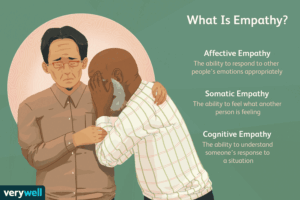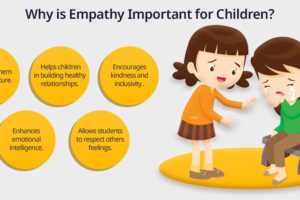







Empathy and mental health are deeply interconnected. Empathy supports well-being through connection. Mental health challenges can affect empathic capacity. As Dr Judith Orloff explains, “Empathy is a survival skill for emotional health. It allows us to navigate relationships while protecting our own energy.”
Empathy strengthens social bonds, buffering against depression and anxiety. Receiving empathy validates pain and accelerates recovery. However, unmanaged empathy—absorbing others’ distress—can lead to compassion fatigue. As Dr Charles Figley notes, “Balance empathy with self-care. Otherwise, you risk taking on others’ trauma.”
Some conditions involve empathy deficits; others heighten empathic sensitivity. In therapy, empathic attunement creates safety for healing. As Carl Rogers emphasised, “When clients feel truly understood, they begin to understand themselves.”
Empathy heals when balanced with boundaries. It connects without depleting. As Orloff concluded, “Feel deeply without being depleted.”