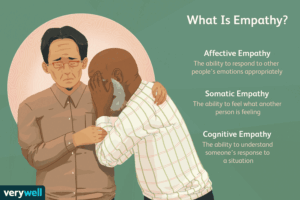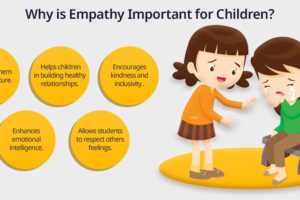




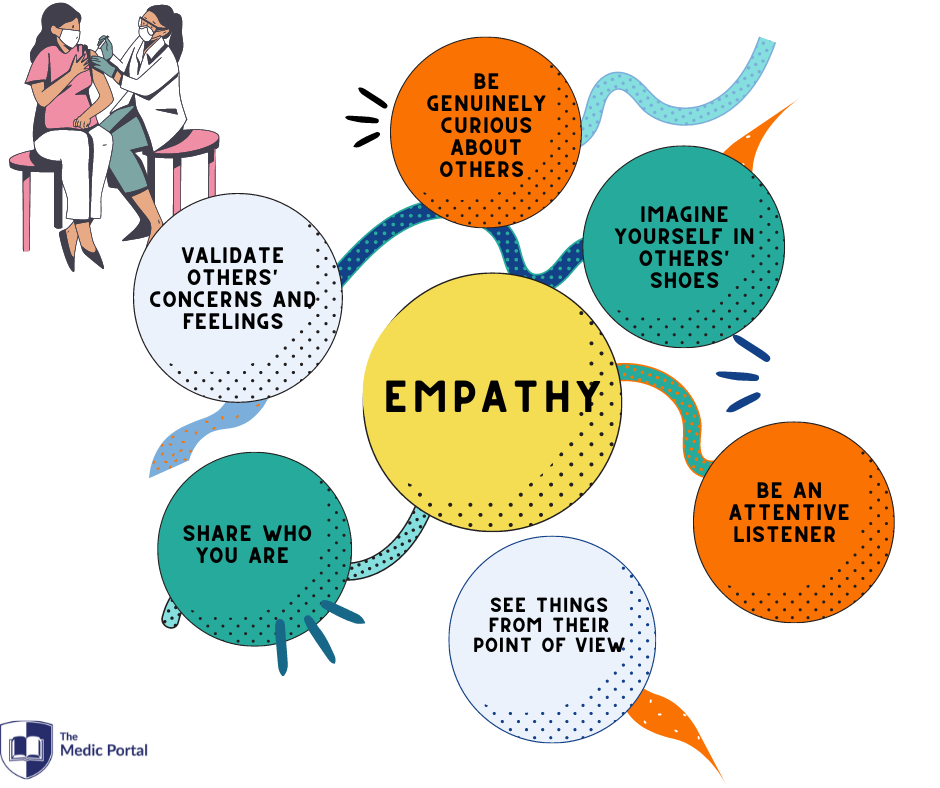


Empathy in critical thinking is the practice of considering multiple perspectives, emotional contexts, and human implications while analysing problems and forming judgments. It broadens reasoning beyond cold logic to include lived experience. Critical thinking without empathy reaches correct conclusions that may still harm people. As philosopher Martha Nussbaum observed, “Critical thinking without empathy is blind. It sees the pieces but misses the meaning.”
Empathetic critical thinkers ask not only “Is this logical?” but also “How will this affect those involved?” They seek to understand viewpoints different from their own before evaluating them. They recognise that data represents real human lives, not just numbers. This approach does not weaken analysis—it deepens it. As educator and author bell hooks explained, “Thinking critically requires us to consider not just what we think, but how our thinking affects others. Empathy keeps thought accountable to humanity.”
What makes empathy in critical thinking powerful is its ability to expose blind spots. Logic alone misses what empathy perceives—the quiet suffering, the unspoken need, the perspective dismissed by power. Another compelling aspect is its role in ethical reasoning. The most difficult moral questions require both rigorous analysis and deep human understanding. As Nussbaum further noted, “The cultivated capacity to imagine the experiences of others is essential for ethical judgment. It prevents us from treating people as abstractions.”
Empathy in critical thinking ensures that analysis serves people rather than using them. It adds heart to logic and humanity to reason. As hooks concluded, “Critical thinking without love is dangerous. Empathy is the love that guides thought toward justice.”