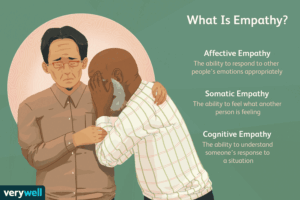







Empathy in negotiation is the strategic practice of understanding and acknowledging the emotions and needs of the other party without necessarily agreeing with them. Far from being soft, it is a powerful tool that transforms adversarial encounters into collaborative problem-solving. Former FBI negotiator Chris Voss calls this “tactical empathy”—understanding feelings in the moment to increase influence.
“Empathy turns negotiation from conflict into cooperation.”
Research distinguishes two types of empathy in negotiation. Perspective taking—understanding another’s viewpoint—helps discover hidden agreements and create value. However, emotional empathy—actually sharing another’s feelings—can sometimes harm individual profit. Skilled negotiators practice “empathetic assertiveness”: acknowledging emotions while asserting their position without aggression.
“Successful negotiation often begins with understanding the other side’s feelings.”
Practical techniques include “mirroring”—repeating last words to encourage elaboration; “labeling”—naming emotions to diffuse tension; and calibrated questions using “how” and “what” instead of “why.” When an opponent says “that’s right,” it signals they feel truly understood, often revealing critical information. This transforms adversaries into colleagues working against a shared problem.
Empathy in negotiation transforms confrontation into discovery—enabling both parties to feel heard while uncovering the needs beneath positions, creating solutions that preserve relationships and advance mutual interests.