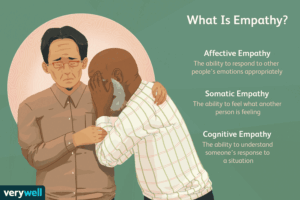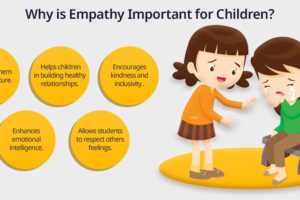



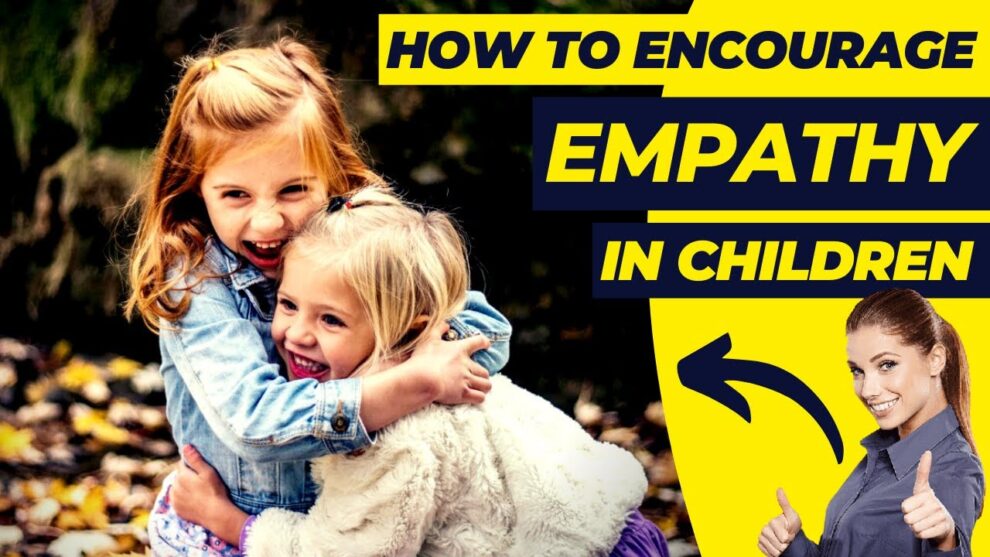


Training empathy in kids is the intentional practice of nurturing their capacity to recognise, understand, and respond to others’ feelings. Empathy is not simply innate—it is a skill that can be taught and strengthened through guided experience. The early years provide a critical window for this development. As child psychologist Dr Michele Borba explains, “Empathy is not hardwired at birth. It is a quality that can be taught and nurtured. The right conditions in childhood can foster it.”
Effective empathy training involves multiple strategies. Naming emotions helps children identify feelings in themselves and others. Discussing characters in stories builds perspective-taking. Modelling empathetic behaviour shows kindness in action. Praising empathetic acts reinforces their value. Creating opportunities for children to help others—through chores, caring for pets, or community service—strengthens empathic habits. As Dr Borba notes, “Children learn empathy not through lectures but through watching empathetic adults and through guided practice in noticing others’ feelings.”
What makes empathy training fascinating is its long-term impact. Empathetic children form stronger friendships, perform better academically, and develop moral courage to resist bullying. Another compelling aspect is the role of literature. Reading fiction expands children’s understanding of diverse lives and experiences. As author Harper Lee wrote in To Kill a Mockingbird, “You never really understand a person until you consider things from his point of view.” Stories provide a safe practice for this perspective-taking.
Training empathy in kids is one of the most important investments in their future. It shapes not only their character but the kind of world they will create. As Dr Borba concluded, “Empathy is the cornerstone of our humanity. And it can be developed at any age—starting in childhood.”