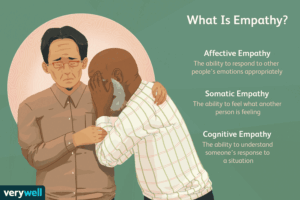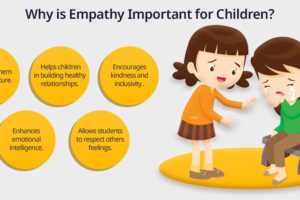






Empathy in nursing is the professional capacity to understand, comprehend, and sensitively respond to patients’ situations and feelings. It is considered an essential component of nursing care, moving beyond general knowledge to a particular understanding of each patient’s experience. Empathy forms the foundation of caring and therapeutic relationships.
Empathy in nursing is a multidimensional competency. It involves understanding the patient’s perspective, conveying that understanding back to verify accuracy, and acting in ways consistent with therapeutic goals. Empathy positively influences communication with patients and families, particularly those facing psychosocial challenges. It requires both receptivity and active response.
Recent research reveals a crucial distinction in nursing empathy.
- Cognitive empathy—understanding another’s perspective—serves as a protective factor against compassion fatigue.
- Affective empathy—sharing another’s emotional state—can heighten vulnerability to burnout.
This challenges the assumption that more empathy is always better and highlights the need for targeted training that promotes cognitive empathy and emotion regulation.
Empathy in nursing is a precise, multidimensional competency that significantly impacts patient outcomes and nurse well-being. It requires thoughtful cultivation through education and support to harness its benefits while protecting against its potential costs.