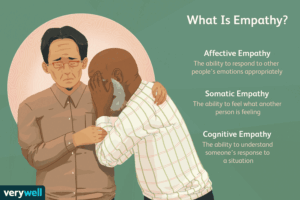






Empathy development is the gradual process of cultivating the ability to understand and share others’ feelings across the lifespan. It begins in infancy and continues through life. As Jean Piaget observed, true education creates individuals capable of new things. Empathy development enables precisely this growth.
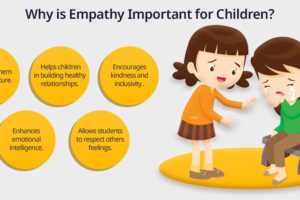
Empathy unfolds in stages. Infants experience emotional contagion. Toddlers show concern for distressed peers. Children develop cognitive empathy—understanding others’ perspectives. Adolescents deepen emotional empathy. Throughout life, experiences and practice continue shaping this skill. As Dr Michele Borba explains, “Empathy is not hardwired at birth. It can be taught and nurtured.”
What makes empathy development fascinating is its responsiveness to the environment. Validating homes and social-emotional learning in schools strengthens empathy. Neuroplasticity means adults can also grow this capacity through active listening and perspective-taking. As Dr Sara Konrath notes, “Empathy can be cultivated like a muscle. With exercise, it grows stronger at any age.”
Empathy development is a lifelong journey of becoming more fully human. As Borba concluded, “Empathy is the cornerstone of our humanity. And it can be developed at any age.”