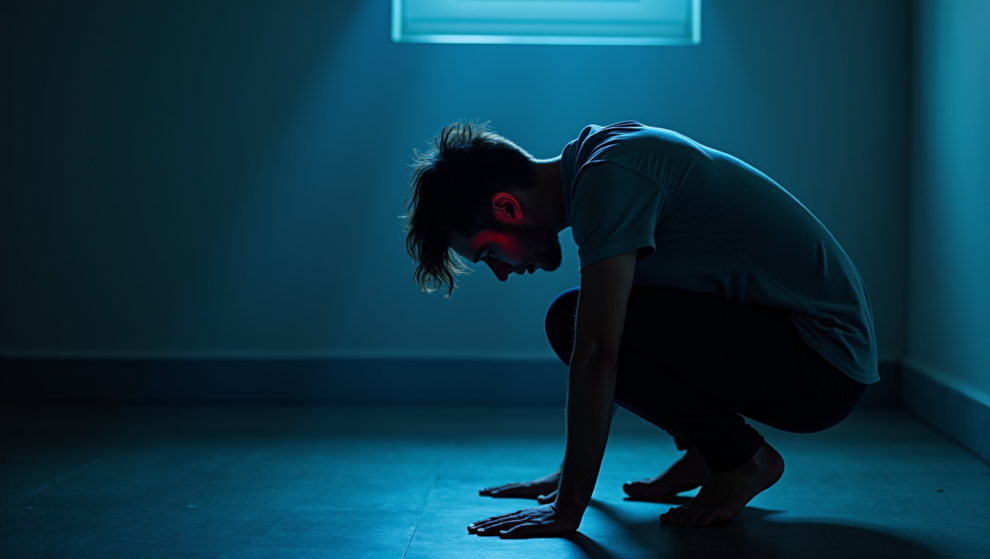


Anxiety after drinking, known as “hangxiety,” involves intense worry, dread, and panic as alcohol effects wear off. Symptoms include racing thoughts, shame, irritability, and emotional instability. This affects up to 12% of people and represents a genuine neurochemical event in the brain, not just a psychological reaction.
Alcohol boosts GABA, a calming neurotransmitter, creating feelings of ease. To maintain balance, the brain suppresses this system. When alcohol leaves the body, GABA levels crash while excitatory neurotransmitters like glutamate surge, leaving the nervous system overstimulated and anxious. This chemical rebound produces physical symptoms identical to anxiety disorders.
Susceptibility varies. Those with existing anxiety or mood disorders experience more severe symptoms due to a vulnerable baseline chemistry. Genetic factors like CYP1A2 and ADORA2A variations influence metabolism and stress response. Heavy drinking causes a dramatic rebound. Shy individuals may experience greater inhibition relief while drinking, followed by more intense emotional crashes afterwards.
Managing hangxiety involves hydration, electrolyte replenishment, and grounding techniques for immediate relief. Long-term prevention requires mindful consumption, as alcohol worsens underlying anxiety and may interact dangerously with anxiety medications. Professional support is essential for those struggling to control drinking.