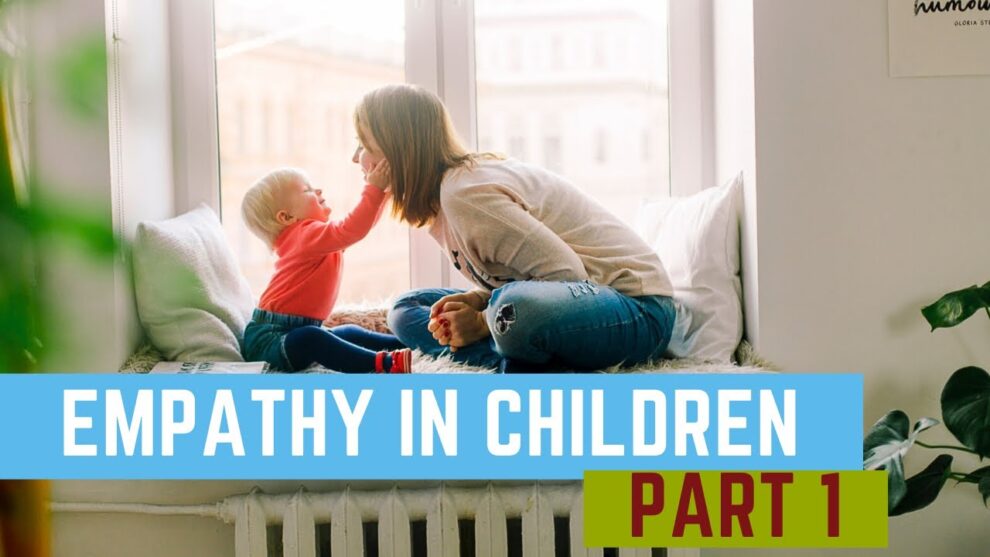


Empathy for children is the capacity of adults to understand, validate, and respond to the emotional experiences of young ones from their developmental perspective. It means seeing the world through their eyes—not dismissing feelings as trivial because the trigger seems small. As child psychologist Dr. Haim Ginott observed, “Children are like wet cement. Whatever falls on them makes an impression. Empathy ensures the impressions are of being understood.”
Empathetic adults recognise that a child’s feelings matter, even when the cause seems minor. A scraped knee deserves comfort. A lost toy deserves acknowledgement of sadness. Frustration with homework deserves patience, not dismissal. This validation teaches children that their emotions are acceptable and that they are not alone in experiencing them. It builds secure attachment and emotional intelligence. As Dr. Ginott explained, “When children feel understood, their loneliness and hurt diminish. When they are understood, their love for the parent deepens.”
What makes empathy for children powerful is its long-term impact. Children treated with empathy grow into adults who can empathise with others. Another compelling aspect is its role in discipline. Empathetic limits—holding boundaries while understanding feelings—teach more effectively than punishment alone. Empathy also helps children navigate big emotions they cannot yet name. As educator and author Becky Bailey notes, “Empathy is the bridge that connects an adult’s calm to a child’s chaos. It helps children feel safe enough to learn.”
Empathy for children is not indulgence but essential nurturing. It tells a child, “You matter, your feelings matter, and you are not alone.” As Ginott concluded, “To reach a child’s mind, a parent must first capture their heart. Empathy is the key that unlocks the heart.”