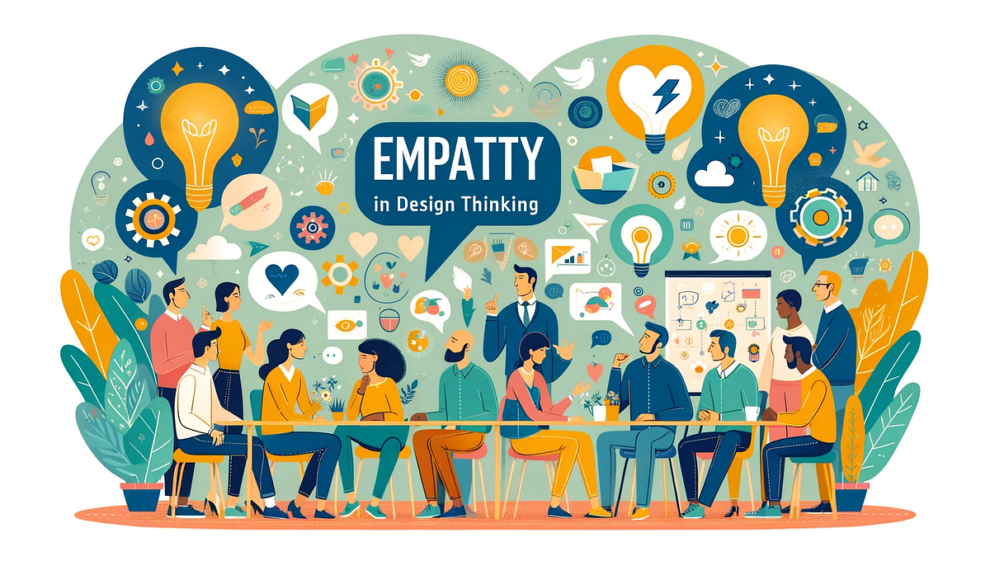


Empathy in creative thinking is the practice of deeply understanding human experiences, emotions, and needs to generate ideas that resonate authentically. It moves creativity beyond self-expression toward genuine connection. The most powerful innovations emerge not from novelty alone, but from solutions that truly serve people. As designer and IDEO founder David Kelley observed, “Empathy is the foundation of human-centred creativity. You have to understand people’s needs before you can create for them.”
Empathetic creators begin by observing and listening to those they hope to serve. They seek to understand unspoken desires, hidden frustrations, and latent needs that users themselves may not articulate. This understanding sparks ideas that feel intuitive and meaningful. Whether designing products, crafting stories, or developing services, empathy reveals what actually matters. As author and creativity expert Elizabeth Gilbert explains, “Creativity is not about being original. It’s about being authentic. And authenticity requires understanding not just yourself, but the people you’re creating for.”
What makes empathy in creative thinking transformative is its power to generate relevance. Ideas born from empathy connect because they address real human experiences. Another compelling aspect is its role in innovation. The most successful innovations often solve problems people didn’t realise they had. Empathy uncovers those problems. As Steve Jobs noted, “You have to start with the customer experience and work backwards to the technology. You cannot start with the technology and try to figure out where to sell it.” Empathy guides that backward journey.
Empathy in creative thinking ensures that imagination serves humanity rather than merely expressing it. It connects inspiration to impact. As Kelley concluded, “Human-centred creativity starts with empathy. Everything else follows from there.”