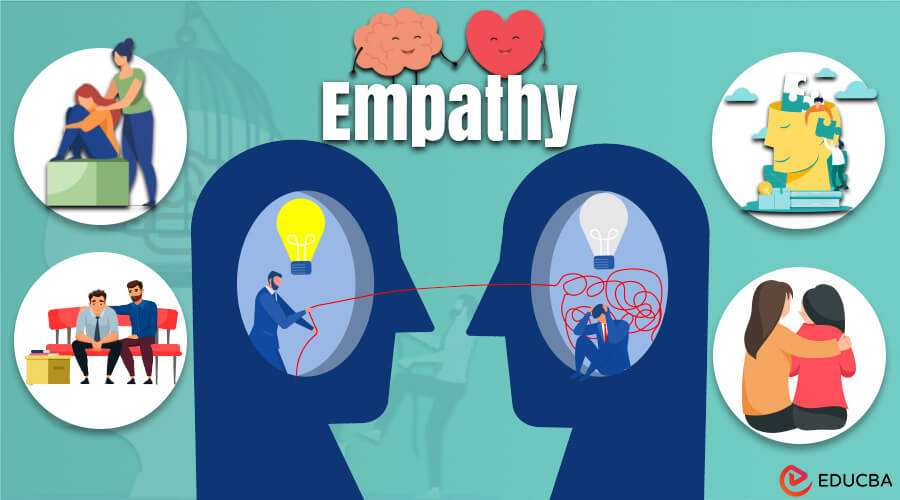


Empathy in decision-making is the practice of considering how choices will affect the emotions, needs, and experiences of others involved. It broadens the decision-making lens beyond logic alone to include human impact. Empathy ensures that decisions serve people, not just objectives. As management thinker Peter Drucker observed, “The most important thing in communication is hearing what isn’t said.” Empathy hears what numbers cannot express.
Empathetic decision makers actively seek to understand who will be affected by their choices. They consider employees facing restructuring, customers using products, and communities impacted by operations. They ask, “How will this feel to them?” before finalising plans. This perspective does not replace data but enriches it. As ethics scholar Rushworth Kidder explains, “True moral courage requires the ability to step into another’s shoes and see the world from their vantage point before acting.”
What makes empathy in decision-making powerful is its ability to prevent harm. Choices made without empathy often create unintended suffering. Another compelling aspect is its role in sustainable success. Decisions that consider human impact build trust and loyalty over time. As a business leader, Indra Nooyi noted, “Just because you are CEO doesn’t mean you are right. You have to have the humility to recognise that your perspective is limited. Empathy expands that perspective.”
Empathy in decision-making ensures that choices serve people, not just spreadsheets. It adds heart to the analysis. As Kidder concluded, “In the end, it’s not about being right. It’s about being good.” Empathy guides decision-making toward that goodness.