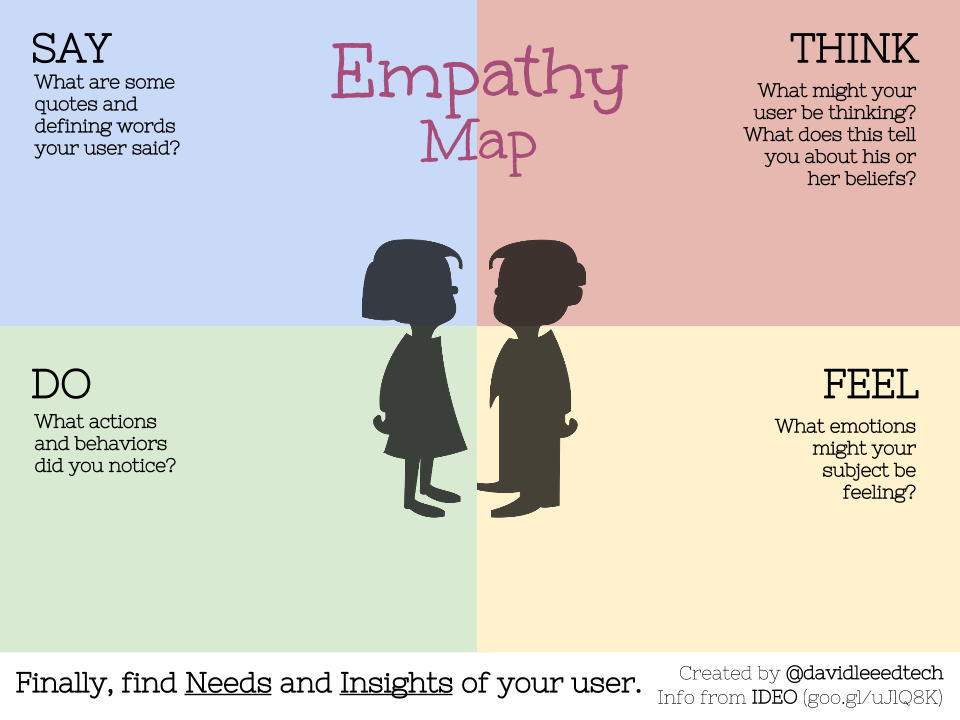


Empathy in problem-solving is the practice of understanding the human dimensions of a challenge before attempting to fix it. It ensures that solutions address real needs rather than assumed ones. Problems exist within human contexts—ignoring those contexts guarantees incomplete answers. As designer and IDEO founder David Kelley observed, “Empathy is the foundation of human-centred design. You have to understand people’s needs before you can solve for them.”
Empathetic problem solvers begin by listening deeply to those affected by the issue. They seek to understand not just surface complaints but underlying emotions, fears, and desires. This understanding shapes solutions that actually fit. Whether in product design, workplace conflicts, or community challenges, empathy reveals what truly matters. As engineer and author Don Norman explains, “If we understand people, we will know what they need before they know it themselves. Empathy uncovers the unspoken.”
What makes empathy in problem-solving transformative is its ability to generate innovative solutions. Problems viewed only through logic produce predictable answers. Problems viewed through empathy open new possibilities. Another compelling aspect is its role in conflict resolution. Empathy helps disputing parties feel understood, creating space for mutual solutions. As mediator William Ury noted, “The single most important skill in negotiation is the ability to see the situation from the other side. Empathy is not soft—it is strategic.”
Empathy in problem-solving ensures that solutions fit the people they are meant to help. It replaces assumptions with understanding. As Kelley concluded, “Human-centred design starts with empathy. Everything else follows from there.”