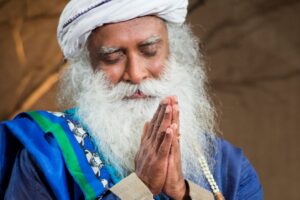
Empathy in meditation refers to the intentional cultivation of the capacity to understand, share, and respond compassionately to the emotions of others through contemplative practice. Meditation serves as a training ground for the mind, strengthening the neural circuits that underlie empathic response. As mindfulness develops, practitioners become more aware of their own emotional patterns, which in turn enhances their ability to recognise those same patterns in others. Research confirms that meditators consistently score higher on empathy measures than non-meditators.
Different meditation practices cultivate distinct dimensions of empathy.
- Loving-kindness meditation involves directing wishes of well-being toward oneself and progressively extending them to others, strengthening what Daniel Goleman calls “empathic concern”—the ability to care about another person and want to help them.
- Compassion meditation specifically focuses on suffering, using techniques like Tonglen where practitioners visualise drawing in others’ distress on the in-breath and sending relief on the out-breath.
Neuroscientific research using MRI reveals that these practices activate brain regions associated with empathy, including the insula (which maps bodily responses to emotion) and the temporoparietal juncture (involved in perceiving others’ mental states).
What makes empathy in meditation particularly compelling is the critical distinction between empathy and compassion revealed through research. While emotional empathy—resonating with another’s suffering—can lead to empathic distress and burnout, compassion adds the wish to alleviate suffering without absorbing the pain. Studies demonstrate that compassion meditation activates neural networks associated with reward and affiliation, protecting against the fatigue that pure empathy can produce. Even beginners show measurable benefits: after just a few hours of loving-kindness practice, individuals become less self-focused and more compassionate in their behaviour. The brain’s plasticity means these qualities can be trained at any age.
Empathy in meditation transforms an innate human capacity into a trainable skill, strengthening the neural foundations of connection while building the emotional resilience necessary to sustain it. The brain is biologically prepared to be more kind and empathetic—it simply takes regular practice to realise that potential.