

Self-consciousness is a heightened awareness of oneself, particularly regarding appearance, behaviour, and social acceptance. During adolescence, this trait becomes especially prominent as individuals undergo rapid physical, emotional, and psychological changes. This developmental stage, typically ranging from ages 10 to 19, is marked by identity formation and increased sensitivity to social evaluation.
Adolescence is characterised by significant biological changes brought about by puberty, which often lead to increased attention to body image and physical appearance. According to developmental psychologist David Elkind, adolescents often experience what he termed the “imaginary audience,” the belief that others are constantly watching and judging them. This cognitive distortion contributes to heightened self-consciousness.
Peer relationships also play a crucial role during this period. Acceptance by friends and classmates becomes highly important, and fear of rejection may intensify self-awareness. Social comparison, academic performance, and family expectations further influence adolescents’ perceptions of themselves. While moderate self-consciousness can promote self-reflection and personal growth, excessive self-consciousness may lead to anxiety, low self-esteem, or social withdrawal.
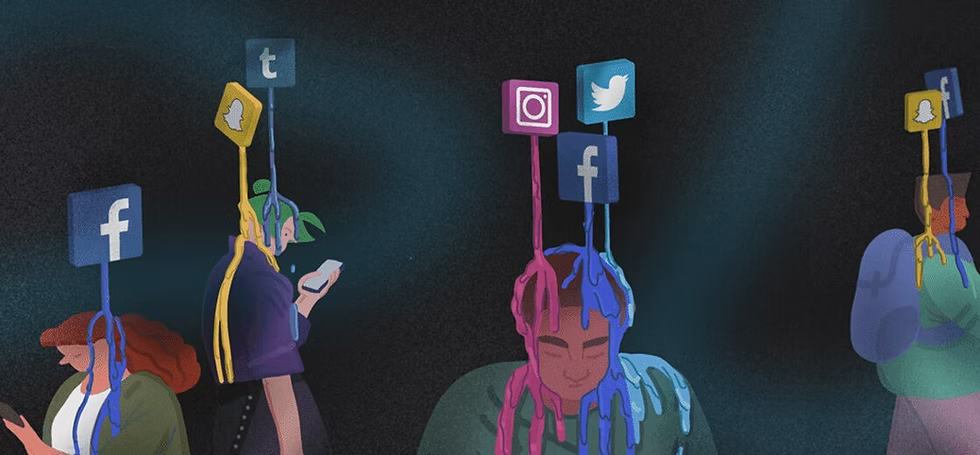
An interesting aspect of self-consciousness in adolescence is its connection to modern social media. Platforms that emphasise images, likes, and comments can amplify adolescents’ concerns about appearance and popularity. The constant exposure to curated and often unrealistic portrayals of others may increase comparison and dissatisfaction. However, social media can also provide opportunities for self-expression, identity exploration, and community building when used responsibly.
In conclusion, self-consciousness is a natural and significant feature of adolescence, shaped by developmental changes, peer influence, and social environments. When guided positively, it can contribute to identity formation and maturity. However, without support, it may negatively affect mental well-being.