




Awareness is the ability to consciously notice and understand what is happening within you and around you in the present moment. It includes being aware of your thoughts, emotions, body sensations, actions, and the environment—without being lost in distraction or reacting automatically. When you are aware, you observe clearly: “This is what I’m feeling,” “This is what I’m thinking,” “This is what is happening now.” In simple terms, awareness is knowing what is going on, as it is going on. It is the foundation of mindfulness, learning, self-control, and personal growth.
Awareness is a fundamental aspect of human growth, learning, and personal development. It shapes how we perceive ourselves, others, and the world around us. In today’s fast-paced and interconnected society, cultivating awareness has become more important than ever. From understanding our own emotions to recognizing societal patterns and environmental changes, awareness allows individuals to live more consciously and make informed decisions. Developing self-awareness and social awareness, along with specialized forms like environmental awareness and mindfulness awareness, is essential for personal fulfillment and social harmony.
Self-awareness is the foundation of all forms of awareness. It involves recognizing one’s thoughts, emotions, and behaviors, as well as understanding how they influence actions and decisions. People who cultivate self-awareness are better equipped to manage stress, communicate effectively, and navigate challenges in their personal and professional lives. Practices such as journaling, meditation, and reflective exercises enhance self-awareness by helping individuals observe their internal experiences without judgment. By developing personal awareness, individuals gain insight into their values, strengths, and areas for improvement, leading to more intentional living.
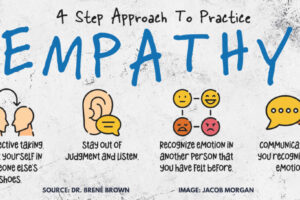
Alongside self-awareness, social awareness is crucial for building meaningful relationships and fostering empathy. Social awareness is the ability to understand the emotions, needs, and perspectives of others. It allows individuals to respond appropriately in social situations, resolve conflicts, and engage in cooperative activities. Enhancing social awareness can be achieved through active listening, perspective-taking, and participation in community activities. When combined with emotional awareness, it strengthens interpersonal skills and promotes compassionate interactions, which are vital for both personal and professional growth.
Environmental awareness is another critical dimension, focusing on understanding and responding to the natural and built environment. Individuals with strong environmental awareness recognize the impact of human actions on ecosystems and take steps to reduce harm. This awareness leads to responsible choices in areas such as resource conservation, waste management, and sustainable living. Educational initiatives and awareness campaigns play a key role in promoting environmental awareness, encouraging communities to adopt greener practices and participate in conservation efforts.
Mindfulness awareness is a practice that combines attention, focus, and present-moment awareness. By cultivating mindfulness awareness, individuals can reduce stress, improve concentration, and enhance emotional regulation. Mindfulness techniques, such as breathing exercises, body scans, and meditation, help individuals become fully present and aware of their thoughts and sensations. Incorporating mindfulness awareness into daily routines contributes to overall well-being and supports the development of awareness skills that are applicable in various aspects of life.
To build comprehensive awareness skills, many organizations and institutions offer awareness training programs. These programs focus on developing both personal and professional competencies, including situational awareness, decision-making, and conflict resolution. Awareness training often incorporates practical awareness exercises, group discussions, and real-life simulations to ensure participants can apply their learning effectively. Whether in corporate environments, educational settings, or community programs, structured awareness training helps individuals and teams function more effectively and responsibly.
Situational awareness is the ability to recognize and understand the dynamics of one’s environment in real time. It is particularly important in high-stakes professions such as healthcare, aviation, and emergency response, but it is equally valuable in everyday life. By practicing situational awareness, individuals can anticipate potential risks, make informed decisions, and respond quickly to changing circumstances. Developing situational awareness involves observation, critical thinking, and the ability to interpret cues from the surroundings accurately.
Cultural awareness is increasingly important in a globalized world where diverse perspectives intersect. It involves recognizing and respecting cultural differences, traditions, and values, which fosters inclusive and harmonious interactions. Cultural awareness enhances cross-cultural communication, reduces misunderstandings, and supports collaboration in multicultural environments. Educational workshops, exchange programs, and diversity initiatives are effective ways to build cultural awareness and encourage appreciation for the richness of global cultures.
Personal and professional growth also depends on continuous awareness development. This involves ongoing learning, reflection, and the deliberate cultivation of awareness practices. By engaging in awareness development, individuals can improve their decision-making, adapt to change more effectively, and lead more purpose-driven lives. Awareness programs designed for schools, workplaces, and community organizations offer structured guidance to facilitate this growth, providing tools, resources, and strategies for sustained improvement.
Awareness strategies are essential for integrating awareness into everyday life. These strategies may include goal-setting, mindfulness routines, self-assessment exercises, and structured feedback mechanisms. By implementing awareness strategies, individuals can strengthen their capacity for observation, reflection, and understanding, which in turn enhances their overall effectiveness and resilience. For organizations, awareness strategies ensure that employees remain attentive, empathetic, and engaged, contributing to a positive and productive work environment.
In addition to formal programs, awareness workshops provide interactive opportunities for experiential learning. Participants engage in hands-on activities, group discussions, and practical exercises that promote the understanding and application of awareness techniques. These workshops often focus on multiple dimensions, such as emotional awareness, mindfulness awareness, and social awareness, allowing participants to develop a well-rounded set of skills that benefit both personal and professional interactions.
Awareness campaigns play a critical role in raising public consciousness about important issues. From health initiatives to environmental protection and social justice, campaigns are designed to inform, educate, and inspire action. Well-designed awareness campaigns utilize media, community outreach, and educational materials to reach diverse audiences and foster lasting change. They complement awareness building efforts by providing context, motivation, and practical guidance for adopting informed behaviors.
Ultimately, awareness building is a lifelong process that integrates learning, practice, and reflection. Engaging in awareness practices such as meditation, journaling, active listening, and observation strengthens the mind-body connection, enhances emotional intelligence, and promotes social responsibility. By prioritizing awareness building, individuals can navigate challenges with clarity, empathy, and confidence, while contributing positively to their communities and the environment.
The benefits of cultivating awareness are vast. Individuals with heightened self-awareness and emotional awareness experience improved mental health, stronger relationships, and greater resilience. Those with social awareness and cultural awareness contribute to inclusive and collaborative environments. Similarly, environmental awareness encourages sustainable choices that protect the planet for future generations. Integrating mindfulness awareness, situational awareness, and ongoing awareness development creates a holistic approach to personal and social well-being.
In conclusion, awareness in its many forms—self-awareness, social awareness, environmental awareness, mindfulness awareness, and emotional awareness—is essential for living a conscious and fulfilling life. Through structured awareness training, practical awareness exercises, and continuous awareness practices, individuals can develop the skills and insights necessary to navigate modern challenges. Awareness programs, awareness strategies, awareness workshops, and awareness campaigns further enhance knowledge, promote empathy, and inspire responsible action. By committing to awareness building as a lifelong endeavor, we cultivate a world that is more mindful, connected, and compassionate, ultimately leading to personal growth, social harmony, and a sustainable future.