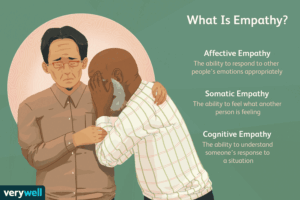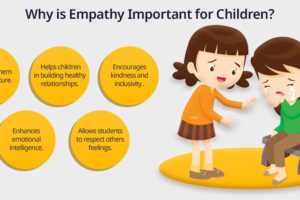






Empathy in communication is the ability to understand and respond to another person’s feelings while exchanging ideas. It transforms ordinary conversation into a genuine connection. Without empathy, words may be heard but not truly understood.
“Effective communication begins when empathy turns listening into understanding, not just response.”
Why Empathy Matters in Communication
When empathy guides a conversation, people feel safe, valued, and respected. This builds trust, reduces defensiveness, and opens the door for honest sharing. Research shows that empathetic communication leads to better collaboration, fewer conflicts, and stronger relationships in every setting—home, work, and community.
“Empathy in communication is not just about hearing words, but understanding the emotions behind them.”
Skills for Empathetic Communication
- Active listening: Give your full attention without interrupting or planning your reply. Use eye contact, nods, and brief affirmations like “I hear you.”
- Perspective-taking: Imagine the situation from the other person’s point of view. Ask yourself, “How would I feel if I were in their place?”
- Validation: Acknowledge the other person’s emotions as real and understandable. Say things like, “That makes sense” or “I can see why you’d feel that way.”
- Reflecting back: Paraphrase what you heard to confirm understanding. For example, “So you felt frustrated because your idea wasn’t acknowledged.”
What to Avoid
- Rushing to give advice or “fix” the problem
- Interrupting or finishing the other person’s sentences
- Using dismissive phrases like “Don’t worry” or “It’s not a big deal”
- Judging or criticising how the other person feels
Simple Ways to Practice
- Put away your phone and face the speaker when they talk
- Pause for a few seconds before responding
- Ask open-ended questions like “Can you tell me more?”
- Check your understanding by saying, “Did I get that right?”
Empathy in communication is not about having the perfect words. It is about showing up, listening carefully, and letting the other person know they matter. With consistent practice, anyone can learn to communicate more kindly and connect more deeply. The result is fewer misunderstandings, greater trust, and relationships where both people feel truly heard.