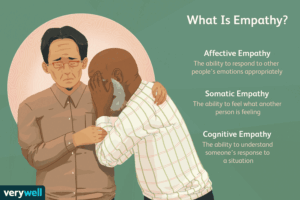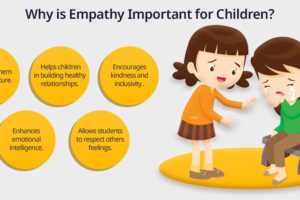






Empathy in leadership is the ability of a leader to understand and share the feelings, perspectives, and challenges of their team members. An empathetic leader listens actively, values different viewpoints, and considers how decisions impact others. This creates trust and psychological safety, where people feel respected and understood. As a result, employees are more likely to communicate openly, stay motivated, and contribute their best efforts.
In practice, empathy helps leaders build stronger relationships and more effective teams. When leaders show genuine concern for the well-being of others, it improves collaboration and reduces workplace conflict. It also allows leaders to make fair and thoughtful decisions, especially during difficult situations. Over time, empathy strengthens organizational culture, increases employee satisfaction, and leads to more sustainable success. Empathy in Inclusion means understanding and respecting different perspectives to create environments where everyone feels they belong. Research confirms that when people practice empathy, teams develop stronger cohesion and cross-cultural communication, which directly support inclusive leadership.
Why Empathy Matters for Inclusion
- Empathy reduces misunderstandings and helps align individual behaviour with shared values
- Inclusive cultures are built on trust and psychological safety—foundational elements that empathy reinforces
- When leaders model empathy, team members feel safe speaking up, contributing, and bringing their authentic selves to work
How Empathy Works in Practice
- Perspective-taking: Structured activities (like VR simulations or role-reversal exercises) help people see situations through others’ eyes and identify hidden barriers
- Validation over fixing: Empathy involves listening and acknowledging feelings (“That sounds really hard”), not rushing to offer solutions or saying “at least…”
- Co-creating norms: Involving teams in setting communication guidelines (e.g., meeting cadences, feedback styles) builds ownership and reduces exclusion
Empathy vs. Sympathy in Inclusion
Sympathy offers pity from a distance; empathy involves truly understanding another‘s experience. In inclusive settings, empathy fosters genuine connection, while sympathy can leave people feeling isolated .
Practical Steps for Leaders
- Actively identify team members at risk of feeling different (new hires, remote workers, minority voices)
- Create regular opportunities for collaboration and informal connection
- Celebrate diversity through recognition of cultural events, work anniversaries, and individual contributions
- Close feedback loops—listen and then act on what you hear to build trust
Empathy transforms inclusion from a policy into a lived experience. When people feel seen, heard, and valued, they collaborate better, innovate more, and stay engaged. Inclusion isn‘t just about having diverse voices in the room—it’s about making sure those voices feel they truly belong .