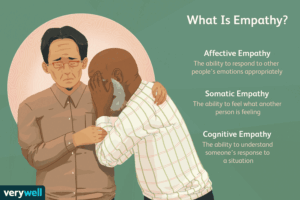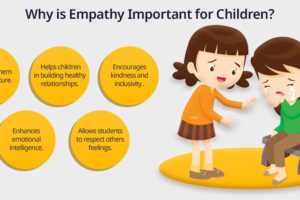






Communication and empathy work together to create meaningful, effective conversations. Empathy is the ability to understand and share another person’s feelings. Communication is how we exchange that understanding. Without empathy, communication can feel mechanical or dismissive. Without clear communication, empathy stays invisible and unshared.
“True communication begins when empathy replaces judgment and listening becomes an act of understanding.”
Why Empathy Matters in Communication
Empathetic communication builds trust, reduces conflict, and strengthens relationships. When people feel genuinely heard, they are more willing to be open, honest, and collaborative. Research shows that empathetic communication improves patient outcomes in healthcare, increases team productivity in workplaces, and deepens intimacy in personal relationships.
Four Key Skills for Empathetic Communication
- Active listening: Give your full attention without planning your response. Nod, make eye contact, and use small verbal cues like “I see” or “mm-hmm” to show you’re following along.
- Perspective-taking: Try to see the situation from the other person’s perspective. Ask yourself, “If I were in their shoes, how might I feel?”
- Validation: Acknowledge the other person’s feelings as real and understandable, even if you don’t agree. Say things like “I can see why you’d feel that way” or “That sounds really hard.”
- Reflective responses: Paraphrase what you heard to confirm understanding. For example, “So what you’re saying is you felt left out when no one asked for your opinion.”
What to Avoid
- Rushing to give advice or “fix” the problem
- Interrupting with your own story
- Using dismissive phrases like “Don’t worry” or “It could be worse”
- Judging or criticising how the other person feels
How to Practice
- Set aside distractions when someone is speaking to you
- Pause before responding to let the other person finish their thought
- Ask open-ended questions like “Can you tell me more about that?”
- Check your understanding by saying, “Did I get that right?”
Communication without empathy is just exchanging words. Empathy without communication stays locked inside you. Together, they create a genuine connection. With practice, anyone can learn to listen more deeply, respond more caringly, and build conversations where both people feel seen and heard. The result is stronger relationships, fewer misunderstandings, and a greater sense of belonging for everyone involved.