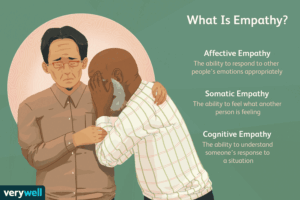


An empathy interview is a human-centred research technique used to understand a person’s thoughts, feelings, and motivations as they experience a product, service, or environment. Unlike a traditional fact‑finding interview, it seeks to uncover the “why” behind people’s behaviours and emotional responses. It is a core tool in Design Thinking and user research, helping innovators identify unmet needs and create truly user‑driven solutions.
Designing an Empathy Interview
Effective empathy interviews prioritise open‑ended, neutral questions that invite stories rather than “yes/no” answers. The goal is to seek understanding, not to confirm assumptions. A typical structure moves from building rapport, to evoking a specific story (“Tell me about a time you felt successful in X…“), to exploring emotions (”How did that feel?“), and finally reflecting on lessons learned (”What advice would you give to others?“) . Key principles include asking one question at a time, keeping questions short (under 10 words), and actively listening.
The Interview Process
Protocols often recommend interviewing in pairs: one person asks questions while the other takes notes on verbal content, body language, and emotional cues. The conversation should feel like a natural dialogue, not an interrogation. Probes like “Tell me more…” or “What was that like for you?” help deepen the response without leading the participant. Many frameworks suggest preparing a “question map” with How, What, Who, and When questions rather than a rigid script.
Using Empathy Interviews in Hiring
A separate use of the term “empathy interview” refers to job interviews designed to assess a candidate’s interpersonal skills. Employers may ask questions such as :
- On definition: “How do you define empathy, and why is it important in the workplace?”
- On past behaviour: “Share a time you demonstrated empathy toward a colleague or customer.”
- On conflict resolution: “Describe a situation where you resolved a conflict by empathising with all parties.”
Strong answers often highlight active listening, validating others’ feelings, and taking appropriate action—turning a negative experience into a positive outcome.
Whether for product design or hiring, the empathy interview is a powerful method to understand another person’s inner world. By focusing on storytelling, active listening, and a non‑judgmental stance, interviewers can uncover deep insights that drive better decisions and stronger relationships.