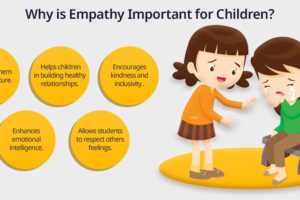







Empathy means the ability to understand and share another person’s feelings while keeping a clear sense that the feeling belongs to them, not to you. It is different from sympathy (feeling pity from a distance). Empathy is feeling with someone—stepping into their world without losing yourself.
Two Main Parts of Empathy
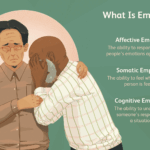
- Cognitive empathy: Understanding why someone feels a certain way (intellectual recognition)
- Affective empathy: Actually feeling what another person feels (emotional sharing)
What Empathy Allows Us to Do
- Cooperate with others and resolve conflicts
- Form deep, trusting relationships
- Offer genuine comfort and celebrate real joy
- Accompany people through suffering
Facts About Empathy
- Empathy is not a fixed trait—it can be learned, practised, and strengthened over time
- Simple activities like active listening, perspective-taking, and reading fiction grow empathic capacity
- Empathy is not about agreeing with everyone or absorbing every emotion you sense
- It is about showing up, paying attention, and communicating that another person’s inner world matters
Empathy is a skill, not just a feeling. With practice, anyone can become more empathic. And when more people practice empathy, relationships deepen, conflicts ease, and communities become more connected.