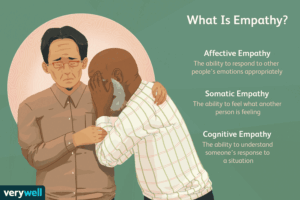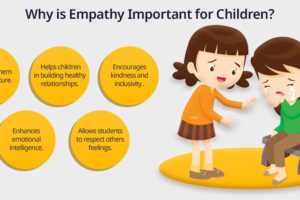





Self-esteem and social skills are closely interconnected aspects of psychological development. Self-esteem reflects how individuals value themselves, while social skills refer to the ability to communicate, interact, and build relationships effectively. Together, they influence social confidence, emotional well-being, and interpersonal success.
Individuals with healthy self-esteem are generally more confident in social interactions. They express opinions clearly, maintain eye contact, and handle feedback constructively. According to Carl Rogers, self-acceptance and authenticity foster healthier interpersonal behaviour, allowing individuals to engage openly and respectfully with others.
Conversely, low self-esteem may hinder one’s development in social skills. People who doubt their worth may avoid conversations, fear rejection, or struggle with assertiveness. Cognitive theory proposed by Aaron T. Beck explains that negative automatic thoughts—such as “I am not interesting” or “Others will judge me”—can limit social participation and reinforce avoidance behaviours. Strengthening self-esteem through positive experiences, communication training, and supportive feedback enhances social competence. This factor impacts on ones’s emotional intelligence, communication skills, assertiveness training, adolescent development, leadership, and mental health awareness.
Self-esteem and social skills develop together and mutually reinforce each other. By cultivating self-worth and practising effective communication, individuals can improve social confidence, build meaningful relationships, and achieve greater personal and professional success.