





A person who lacks empathy is someone with a significantly diminished or absent capacity to recognise, understand, or share the feelings and perspectives of others. This absence exists on a spectrum—from occasional difficulty in specific contexts to a persistent trait that profoundly affects relationships and social functioning. As one psychological resource explains, low empathy involves “difficulty imagining another person’s perspective and responding with care.”
Individuals lacking empathy display several observable characteristics. They struggle to recognise emotional cues in others’ faces, tone, or body language. They may respond to others’ distress with indifference, confusion, or inappropriate reactions. Conversations often become one-sided, focused on personal experience rather than mutual exchange. They rarely ask questions about others’ feelings and may appear oblivious to how their words or actions impact those around them. This pattern consistently strains relationships, leaving others feeling unheard, invalidated, and emotionally alone.
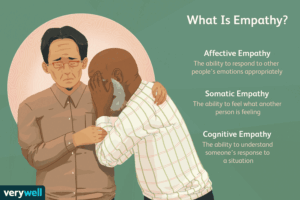
What makes this condition complex is its varied origins. Some individuals have neurological conditions like alexithymia that make identifying emotions difficult. Others experienced environments where emotional expression was punished or ignored, causing empathic development to stall. In some cases, lacking empathy reflects broader patterns associated with personality traits like narcissism or antisocial tendencies. Crucially, low empathy does not always indicate a lack of care—some genuinely struggle to perceive feelings while wishing others well. Research also distinguishes between cognitive empathy deficits (understanding others) and affective empathy deficits (sharing feelings), which can occur independently.
A person who lacks empathy navigates relationships with a particular kind of blindness—unable to perceive the emotional worlds of others, leaving those around them feeling unseen and alone. Yet understanding the roots of this absence opens pathways for growth, as empathy remains a capacity that can be cultivated with awareness and practice.