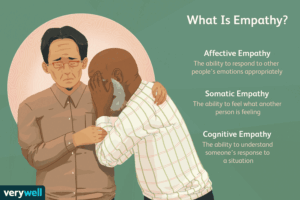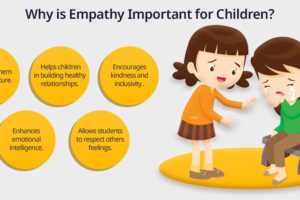





Empathy and gratitude share a profound and reciprocal relationship. Empathy is the capacity to understand and share another’s feelings. Gratitude is the appreciative response to kindness or benefit received. Together, they form a virtuous cycle that deepens human connection and well-being. As philosopher Cicero declared, “Gratitude is not only the greatest of virtues but the parent of all others.” Empathy gives gratitude its depth.
Empathy enables gratitude by allowing individuals to recognise the effort, intention, and care behind others’ actions. When someone understands what another has sacrificed or endured on their behalf, gratitude becomes more than polite acknowledgement—it becomes heartfelt appreciation. Conversely, gratitude strengthens empathy by directing attention outward toward others’ contributions. Grateful individuals notice more readily what others do for them, which sharpens awareness of others’ experiences and needs. As gratitude researcher Dr. Robert Emmons explains, “Gratitude is an empathic emotion. It flows from recognising that we have benefited from the efforts and intentions of others.”
What makes this relationship fascinating is its impact on relationships. Couples who practice both empathy and gratitude report stronger bonds and greater satisfaction. Another compelling aspect is their combined role in resilience. Grateful, empathic individuals recover more quickly from adversity because they maintain a connection to supportive others. Both qualities also protect against depression and anxiety by focusing attention beyond the self. As author and researcher Brené Brown observed, “What separates privilege from entitlement is gratitude. What separates empathy from pity is connection. Together, they create a life of meaning.”
Empathy and gratitude together form a foundation for flourishing relationships and resilient lives. Empathy opens the heart to another’s experience; gratitude treasures what that openness receives. As Emmons concluded, “Gratitude is not just a feeling; it is a way of seeing that transforms how we relate to others and the world.”