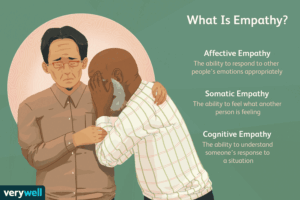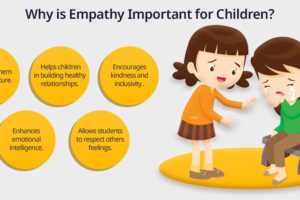







Empathy in meditation is the intentional cultivation of the capacity to understand and share others’ emotions through contemplative practice. Meditation trains the mind, strengthening neural circuits that support empathic response. As self-awareness deepens, recognizing emotions in others becomes more natural. Loving-kindness meditation specifically develops empathic concern—the genuine wish for others to be free from suffering.
Different practices cultivate distinct aspects of empathy.
- Loving-kindness meditation extends wishes of well-being progressively from self to others, activating brain regions associated with positive connection.
- Mindfulness meditation builds emotional regulation, creating stability needed to receive another’s experience without becoming overwhelmed. Regular meditators consistently demonstrate stronger empathic capacity than non-meditators.
Attraction Topics
Meditation research reveals a crucial distinction between empathy and compassion. Emotional empathy alone—resonating with suffering—can lead to burnout. Compassion adds the wish to alleviate suffering without absorbing the pain, activating neural networks of reward and affiliation. Even brief loving-kindness practice reduces self-focus and increases compassion. Structured approaches like the RAIN practice offer tools for applying mindfulness to interpersonal challenges.
Empathy in meditation transforms innate capacity into a trainable skill. It strengthens the connection while building resilience to sustain it. The brain is wired for kindness—regular practice realises that potential.