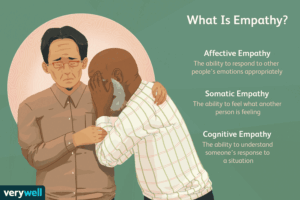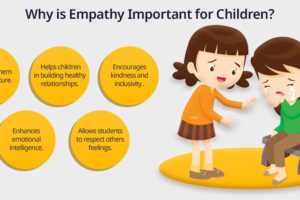






Empathy vs compassion represents a subtle but important distinction in how humans respond to suffering. Empathy is the capacity to feel what another feels—to share their emotional state. Compassion adds the desire to relieve that suffering. As author and researcher Brené Brown explains, “Empathy is feeling with people. Compassion is empathy plus action—it’s empathy in motion.”
Empathy connects us to another’s pain. When someone suffers, empathy resonates within us. We feel their grief, fear, or joy alongside them. This connection is powerful but can become overwhelming. Compassion transforms this shared feeling into motivation to help. It maintains enough distance to act effectively. As the Dalai Lama observed, “Compassion is not pity. It is not empathy. It is a mental state of wishing others to be free from suffering, combined with the readiness to act on their behalf.”
What makes this distinction fascinating is its practical implications. Empathy alone can lead to burnout—absorbing others’ pain without relief. Compassion protects against this by adding action. Another compelling aspect is how the two qualities interact. Empathy provides the emotional data; compassion directs it toward help. As psychologist Paul Gilbert explains, “Compassion is not just about being kind. It involves a deep awareness of suffering coupled with the motivation to alleviate it. Empathy is the radar; compassion is the response.”
Empathy feels with another; compassion moves on behalf of another. Both matter, but compassion sustains. As the Dalai Lama concluded, “If you want others to be happy, practice compassion. If you want to be happy, practice compassion.”