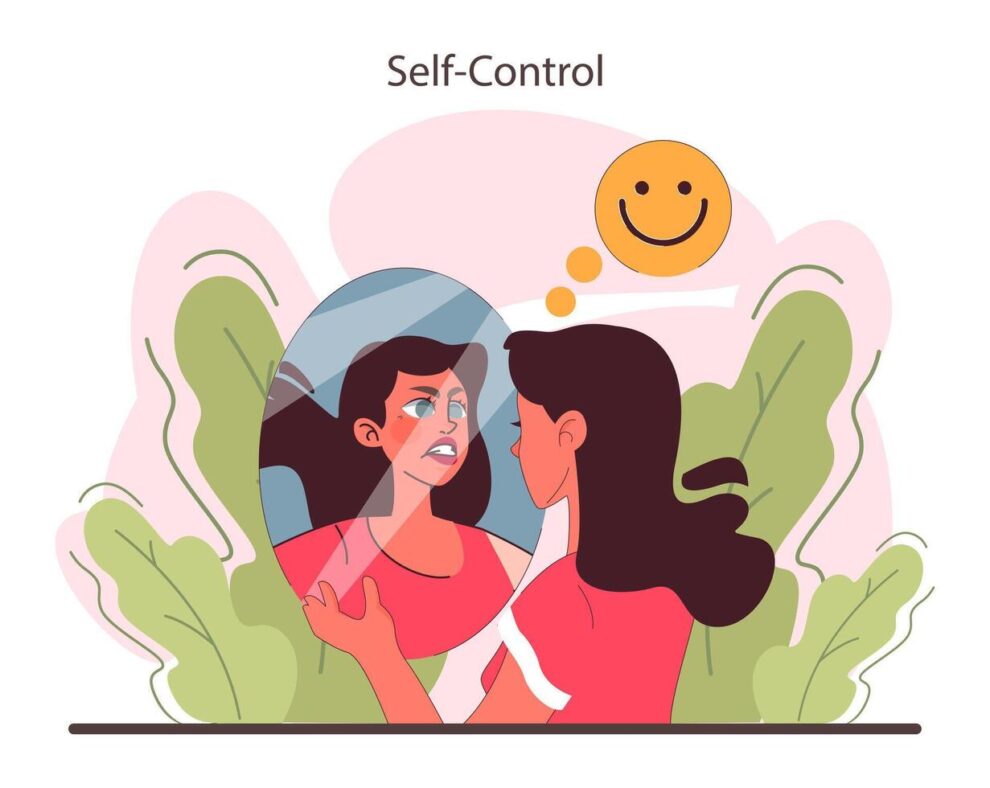


Self-conscious emotions are feelings that relate to our sense of self and our awareness of others. They include shame, guilt, embarrassment, and pride. Unlike basic emotions like fear or anger, these require self-awareness and the ability to reflect on our own actions. They play a powerful role in how we behave and connect with people.
These emotions emerge as we develop a sense of self. A young child cannot feel shame because they do not yet see themselves as separate. Self-conscious emotions require us to compare our behaviour against rules or social standards. When we meet those standards, we feel pride. When we fail, we feel shame or guilt. These feelings guide our future actions and help us fit into society. As psychologist Daniel Goleman noted, “Self-awareness is not just about understanding our own emotions, but also about recognising how they impact others”.
What makes these emotions fascinating is their complexity and cultural nature. Shame makes us want to hide, while guilt pushes us to fix our mistakes. Embarrassment often signals that we care about social rules. Interestingly, different cultures experience and express these emotions in unique ways. Individualistic societies may encourage pride, while collectivist cultures may emphasise humility and shame. As writer Brené Brown famously said, “Shame is the fear of disconnection. It is the fear that something we have done or failed to do will make us unworthy of connection” . This shows how deeply these emotions are tied to our need for belonging.
In short, self-conscious emotions act as an internal moral compass, shaping our behaviour through feelings of pride, shame, and guilt, because as philosopher Aristotle observed, “Those who have done a good deed, feel pride; those who have done a bad one, feel shame” .