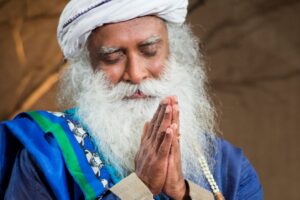
Yoga for breathing control (pranayama) is a conscious method of inhaling, exhaling, and pausing the breath to influence your physical and emotional state. Research shows that slow, controlled breathing shifts the nervous system from “fight-or-flight” (sympathetic) mode to “rest and digest” (parasympathetic) mode, lowering heart rate, reducing blood pressure, and decreasing stress hormones. Even 5-10 minutes daily of breath awareness can produce immediate calming effects.
A 2013 NIH study of 17 healthy participants found that slow breathing at 6 breaths per minute (5 seconds inhale, 5 seconds exhale) significantly increased baroreflex sensitivity (a marker of cardiac health) and improved oxygen saturation without increasing heart rate. The study concluded that slow breathing with equal inhalation and exhalation is the best technique for beginners to improve nervous system balance. Research also shows that pranayama enhances heart rate variability, improves lung efficiency, and reduces anxiety.
Key Breathing Techniques for Beginners
- Diaphragmatic (Belly) Breathing: Place one hand on the belly. Inhale deeply through the nose, allowing the belly to rise; exhale slowly through the nose, letting the belly fall. Best for stress relief and relaxation.
- Equal Breathing (Sama Vritti): Inhale for a count of 4, exhale for a count of 4. Balances breath, calms thinking, improves focus.
- Extended Exhale Breathing: Inhale for 4 seconds, exhale for 6-8 seconds. Lengthening the exhale activates the parasympathetic relaxation response.
- Alternate Nostril Breathing (Nadi Shodhana): Use your thumb to close the right nostril, inhale through the left; close the left nostril, exhale through the right. Balances the nervous system and promotes calm focus.
- Humming Breath (Bhramari): Inhale gently, exhale with a soft “mmm” sound like a bee. The vibration soothes the mind and helps prepare for sleep.
To practice safely, start with 3-5 minutes daily in a comfortable seated position with an upright spine. Never force the breath—if you feel dizzy, return to normal breathing . Consistency matters more than duration; a short daily practice builds lasting calm and nervous system resilience. Always consult a healthcare provider before beginning, especially if you have respiratory or cardiovascular conditions.
Pranayama offers an accessible, drug-free path to better breathing control, reduced stress, and improved focus—working through the simple yet powerful act of conscious breath awareness. As research confirms, “actively changing the breath rate can actually change autonomic function and mood state”. With consistent practice, even 5 minutes daily, you can transform anxious, scattered energy into calm, centred presence.