
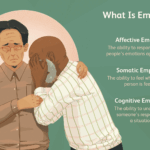
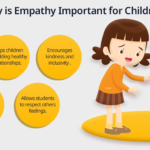







Empathy training for leaders is an important part of modern leadership development. Leaders are responsible for guiding teams, resolving conflicts, and making decisions that affect many people. Through empathy training, leaders learn how to understand the emotions, concerns, and motivations of employees. This skill helps them communicate more effectively, build trust, and create a positive work environment where employees feel respected and supported.
One major benefit of empathy training for leaders is improved communication and stronger relationships within teams. Leaders who practice empathy listen carefully to their team members and respond with understanding. This approach encourages open discussions, reduces misunderstandings, and helps employees feel more comfortable sharing ideas or concerns. As a result, teams become more collaborative and motivated to achieve organizational goals.
Another benefit of empathy training for leaders is better decision-making and conflict management. When leaders understand the perspectives of different team members, they can make more balanced and thoughtful decisions. Empathetic leaders are also better at handling disagreements because they consider the emotional aspects of situations and aim for solutions that respect everyone involved. This leads to a more harmonious and productive workplace.
The timeline for empathy training for leaders can vary depending on the program design. Some organizations conduct short workshops lasting a few days, while others offer structured leadership programs that continue for several weeks or months. A typical program may include weekly training sessions, practical exercises, role-playing activities, and feedback discussions. Continuous practice and follow-up sessions help leaders strengthen empathy skills and apply them effectively in their leadership roles.