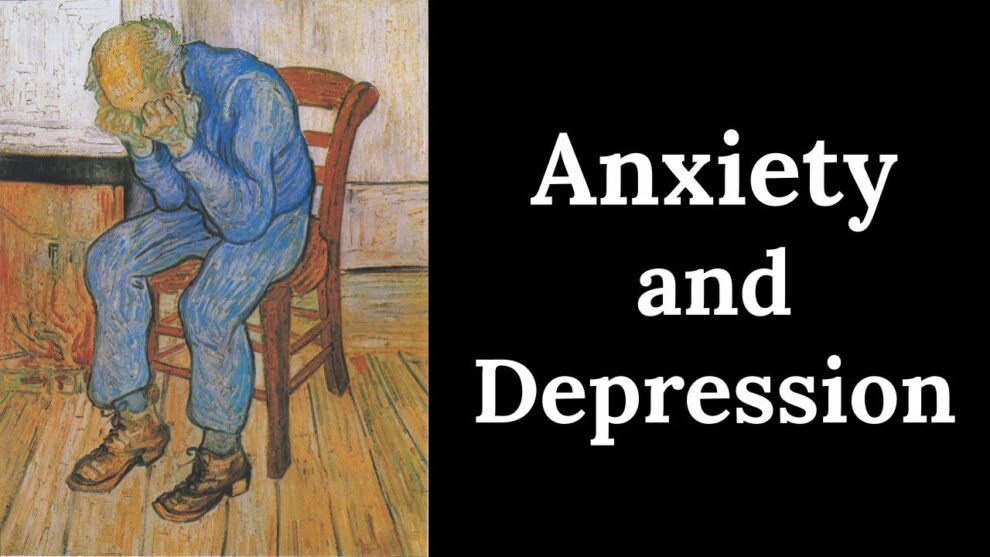


The combination of ADHD, depression, and anxiety is one of the most common and complex presentations in mental health. Research indicates that comorbidity is the rule rather than the exception for adults with ADHD, with an estimated 60% to 80% of individuals having at least one other psychiatric condition . Anxiety disorders affect approximately 40% to 50% of adults with ADHD, while depressive disorders occur in up to 50% of cases . This frequent overlap, sometimes called the “trifecta” of mental health, creates significant diagnostic and treatment challenges .
The high rate of co-occurrence stems from shared underlying mechanisms. ADHD, anxiety, and depression share genetic and neurobiological pathways, particularly involving dopamine and noradrenaline circuits that influence mood, motivation, and focus . Psychosocial factors also play a major role—chronic underachievement, relationship strain, and daily stress from unmanaged ADHD can lead to secondary anxiety and depression . However, symptom overlap can make accurate diagnosis difficult. For example, inattentive ADHD is commonly misdiagnosed as anxiety or depression because all three conditions involve trouble concentrating, low motivation, and overwhelm . The key distinction is that anxiety-driven concentration issues typically relate to worry, while ADHD-related attention problems occur even when relaxed .
What makes this triad particularly compelling is the need for careful treatment sequencing. Expert consensus, including guidance from NICE and Harvard specialists, recommends that when depression or anxiety is moderate to severe, clinicians should stabilize mood symptoms first using psychotherapy, SSRIs, or SNRIs before initiating ADHD medication . For mild or stable mood symptoms, both conditions can be managed concurrently. Certain medications, such as atomoxetine and viloxazine XR, may effectively treat both ADHD and co-occurring anxiety or depression simultaneously . Research also indicates that when ADHD is recognized early, it may offer a clinical advantage by prompting earlier diagnosis and access to care for co-occurring conditions .
ADHD, depression, and anxiety represent a complex interplay of neurobiological vulnerabilities and life stressors that amplify one another over time—yet with accurate differential diagnosis, coordinated treatment plans, and integrated care addressing all conditions simultaneously, individuals can achieve meaningful improvements in stability, well-being, and daily function .