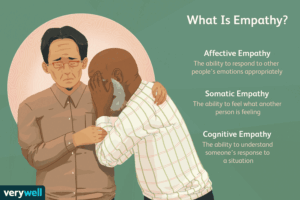






Empathy and compassion are related but distinct responses to others’ distress. Empathy is the ability to understand and share another person’s feelings—to experience their emotional state alongside them. Compassion goes a step further: it is the deep recognition of someone’s suffering combined with a genuine wish to relieve it—feeling concern for another plus the drive to take action.
How They Differ
Empathy involves resonating with another’s emotions, which can sometimes lead to personal distress and emotional exhaustion when left unchecked. Compassion, while still acknowledging pain, keeps a degree of healthy emotional distance—allowing the observer to respond with care without being consumed. Brain scans confirm this difference: empathy lights up regions linked to pain processing (anterior insula and anterior cingulate cortex), while compassion activates areas tied to positive feelings and connection (medial orbitofrontal cortex, putamen, and ventral tegmental area).
Why It Matters for Caregivers
The distinction is especially important for healthcare workers, therapists, and anyone who regularly supports others in pain. Pure empathy without boundaries can lead to empathic distress, burnout, and emotional fatigue. Compassion offers a more sustainable alternative—enabling caregivers to recognise suffering and respond warmly while protecting their own well-being. Research shows compassion can be strengthened through targeted training (such as Cognitively-Based Compassion Training), which boosts positive emotions and reduces burnout.
Key difference
- Empathy: Feeling with another; shares the same emotional experience; higher risk of distress and burnout
- Compassion: Feeling for another plus wanting to help; maintains healthy emotional distance; builds resilience and positive feelings
Empathy often paves the way for compassion, but compassion represents a more sustainable response to suffering—one that can be learned and that guards against the empathic fatigue underlying professional burnout. As one expert notes, compassion “offers a more durable positive emotional connection” without diminishing the genuine desire to alleviate suffering.