Brené Brown’s empathy represents one of the most influential contemporary frameworks for understanding human connection. As a research professor, Brown has spent decades studying vulnerability, shame, and empathy. She defines empathy as “the skill to tap into our own...

Layout A (with pagination)
Dark empathy is a psychological construct describing individuals who possess both high levels of dark triad traits—narcissism, Machiavellianism, and psychopathy—alongside elevated empathy. This combination challenges the traditional view that dark traits inherently involve empathy...
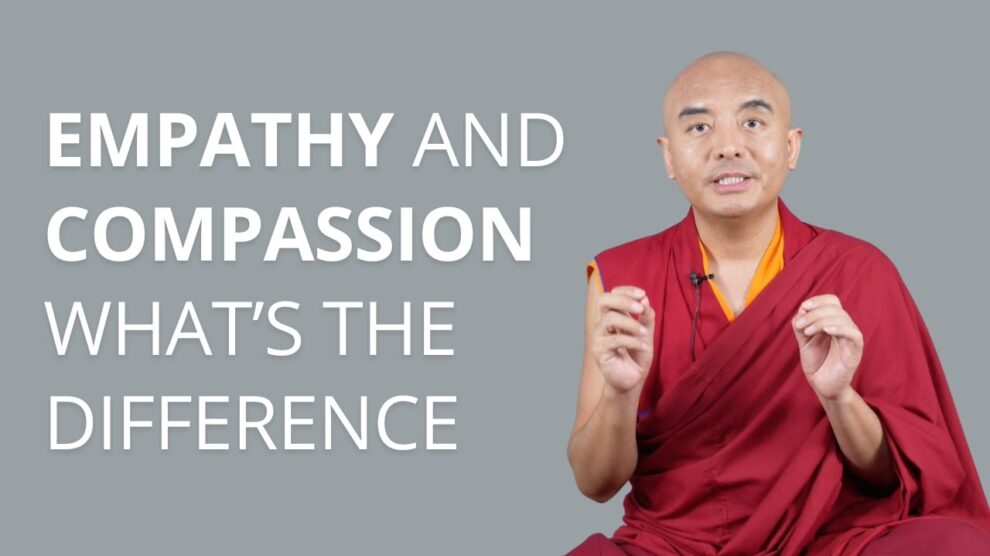
Compassion vs empathy represents a crucial distinction in how humans respond to suffering. Empathy is the capacity to feel what another feels—to share their emotional state. Compassion adds the desire to relieve that suffering, moving beyond shared feeling into action. As researcher Paul...
Radical empathy is a concept developed by political scientist Terri Givens that moves beyond simply understanding another person’s feelings to actively working for change. It integrates both emotional empathy—feeling what another feels—and cognitive empathy—understanding how another...
In behaviour science, empathy is formally conceptualised as a complex, multi-dimensional construct that serves as a cognitive and emotional bridge connecting individuals and promoting prosocial behaviour. It enables people to accurately recognise, comprehend, and share the...