







Anxiety after eating refers to the experience of heightened worry, fear, or panic that occurs during or following a meal. This phenomenon is more common than many realise and can manifest through a range of physical and emotional symptoms. It can be a temporary response to a specific meal or a persistent symptom of an underlying condition, ranging from eating disorders to gastrointestinal issues. The physical symptoms—such as rapid heartbeat, shortness of breath, and nausea—can themselves be mistaken for the problem, creating a feedback loop that intensifies the distress.
The symptoms of anxiety after eating are varied and can include physical signs like a racing heart, stomach discomfort or nausea, shortness of breath, sweating, trembling, and lightheadedness. Emotional symptoms often involve racing thoughts, a sense of dread or doom, irritability, and feelings of shame or guilt, particularly when the anxiety is linked to food choices. In some cases, the experience can be severe enough to resemble a panic attack, characterised by an overwhelming sense of terror and a feeling of being out of control.
What makes anxiety after eating particularly complex is its wide range of potential causes, often involving an interplay of physical, psychological, and behavioural factors. Psychological causes can include eating disorders (like anorexia, bulimia, or ARFID), a pre-existing generalised anxiety disorder, or trauma-related food experiences, such as past choking or severe food poisoning. Physical causes are equally significant and include gastroesophageal reflux disease (GERD), which can cause painful heartburn mistaken for a heart attack; food sensitivities or allergies; and reactive hypoglycemia, where a drop in blood sugar 2–4 hours after eating produces symptoms like shakiness and anxiety. Certain foods themselves, such as high-sugar items, refined carbohydrates, and caffeine, can trigger or worsen these symptoms by causing blood sugar spikes and crashes.
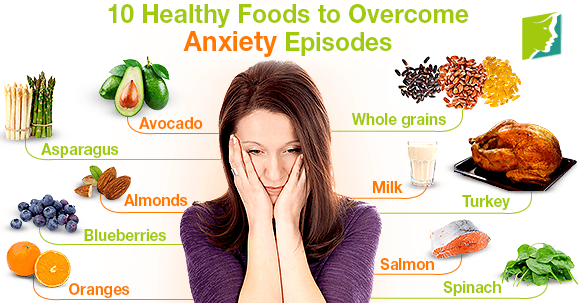
Anxiety after eating is a treatable condition that requires identifying the root cause. Management strategies range from dietary adjustments—such as limiting caffeine, sugar, and processed foods —to therapeutic interventions like Cognitive Behavioural Therapy (CBT) for underlying anxiety or eating disorders. In some cases, a healthcare professional may recommend medications like SSRIs or, for specific conditions like GERD, H2 blockers or PPIs. Keeping a food and mood journal, practising relaxation techniques, and seeking support from a therapist or dietitian are essential steps toward reclaiming a peaceful relationship with food.