





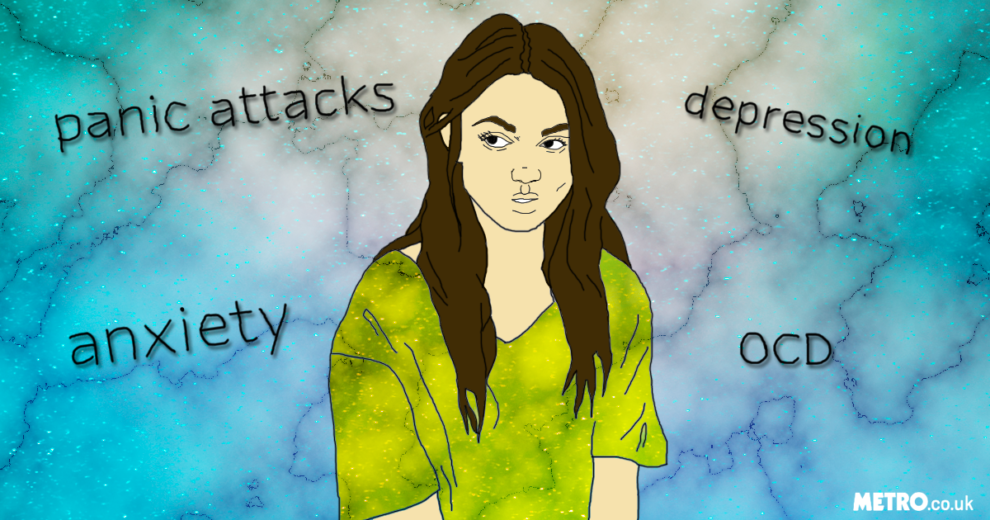


The relationship between OCD and depression represents one of the most common and clinically significant comorbidities in mental health. Major depressive disorder (MDD) affects more than a third of individuals with obsessive-compulsive disorder (OCD), with research consistently demonstrating that depression is the most frequently observed comorbid condition in this population. This high rate of co-occurrence creates complex clinical presentations that require specialised treatment approaches.
The prevalence of this comorbidity is striking across age groups. A 2025 study examining adolescents with depressive and anxiety symptoms found that 52.3% had severe obsessive-compulsive symptoms (OCS), while only 2.8% were symptom-free. Among youth and young adults with depression, comorbid OCD affects approximately 15.5%. The emergence of depression in individuals with OCD can be attributed to the increased severity of OCD symptoms and their profound impact on daily functioning, including social isolation, occupational impairment, and reduced quality of life. A 2024 study of OCD patients found that nearly three-quarters (73.6%) experienced elevated levels of loneliness, which was associated with greater depression severity.
What makes this comorbidity particularly compelling is the identification of specific symptom-level connections. Network analysis reveals that obsessions—particularly repugnant, taboo thoughts—are most closely associated with depressive symptoms, along with negative affectivity and cognitive-somatic changes like difficulty concentrating. Depression and OCD share potential neurobiological mechanisms, including disturbed sleep patterns, immunological dysregulations, neuroendocrine changes, and even a shared brain network involving the anterior cingulate and insula. The p factor, which captures variance shared across all mental disorders, predicts poorer long-term outcomes for youth with OCD who experience symptoms across multiple psychiatric domains.
OCD and depression represent a challenging comorbidity where obsessive symptoms and depressive affect amplify one another, yet evidence-based treatments—including cognitive behavioral therapy with exposure and response prevention (CBT/ERP), SSRIs, and augmentation strategies—offer meaningful paths to recovery, though clinicians must carefully consider treatment sequencing and the increased severity, suicidality, and functional impairment that accompany this dual diagnosis .