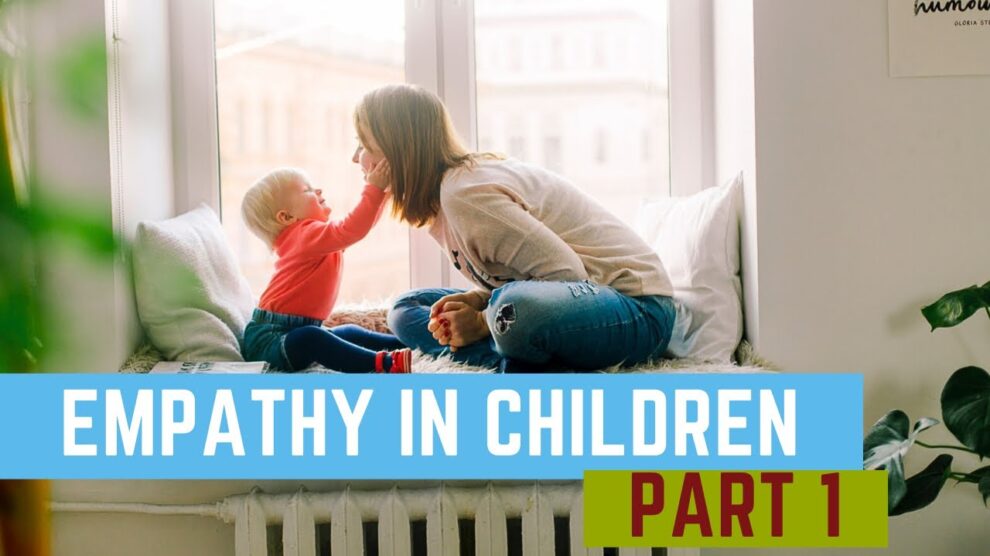
Empathy for children is the capacity of adults to understand, validate, and respond to the emotional experiences of young ones from their developmental perspective. It means seeing the world through their eyes—not dismissing feelings as trivial because the trigger seems small. As child...
Layout A (with pagination)
Empathy in culture refers to the values, norms, and practices within a society that either encourage or inhibit the capacity to understand and respond to others’ experiences. Culture shapes how empathy is expressed, who deserves it, and how it is taught across generations. It...
Empathy in family relations is the capacity of family members to understand, share, and respond to each other’s emotional experiences across generations and roles. It forms the emotional foundation that holds families together through life’s inevitable challenges. Without...
Empathy in marriage is the capacity of spouses to understand, share, and respond to each other’s emotional experiences with consistent care. It forms the invisible architecture that supports lifelong partnership. Without empathy, marriages become parallel lives rather than...
Empathy in relationships is the capacity to understand, share, and respond to a partner’s inner world with genuine care. It forms the emotional foundation upon which trust and intimacy are built. Without empathy, relationships become transactional and fragile. As psychologist Dr...