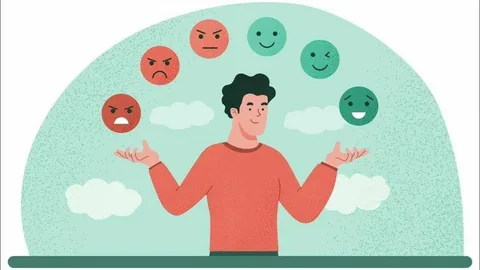


Self-consciousness in teenagers refers to heightened awareness of one’s appearance, behaviour, and social perception during adolescence. This period, typically between ages 13 and 19, involves rapid physical, emotional, and cognitive changes, making teens particularly sensitive to how they are viewed by peers, family, and society.
Teenagers experience a surge in self-consciousness due to biological changes from puberty, including growth spurts, hormonal fluctuations, and evolving body image. Psychologist David Elkind described the concept of the “imaginary audience,” where adolescents believe that others are constantly observing and judging them. Peer influence, academic expectations, and social media further amplify this awareness.
While moderate self-consciousness encourages self-reflection and identity formation, excessive self-focus can lead to anxiety, low self-esteem, or social withdrawal. Teens may become preoccupied with appearance, popularity, or acceptance, often comparing themselves unfavourably to peers or online personas.
A particularly relevant aspect today is the role of social media in shaping teen self-consciousness. Platforms emphasising likes, followers, and curated images can intensify comparison, self-criticism, and fear of judgment. Yet, when used mindfully, social media can also provide opportunities for self-expression, peer support, and exploration of identity.
In conclusion, self-consciousness is a natural and significant part of teenage development. When balanced, it fosters self-awareness and personal growth, but excessive focus on external evaluation can negatively impact emotional well-being, highlighting the need for guidance, support, and positive self-esteem building.