
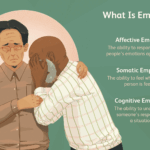




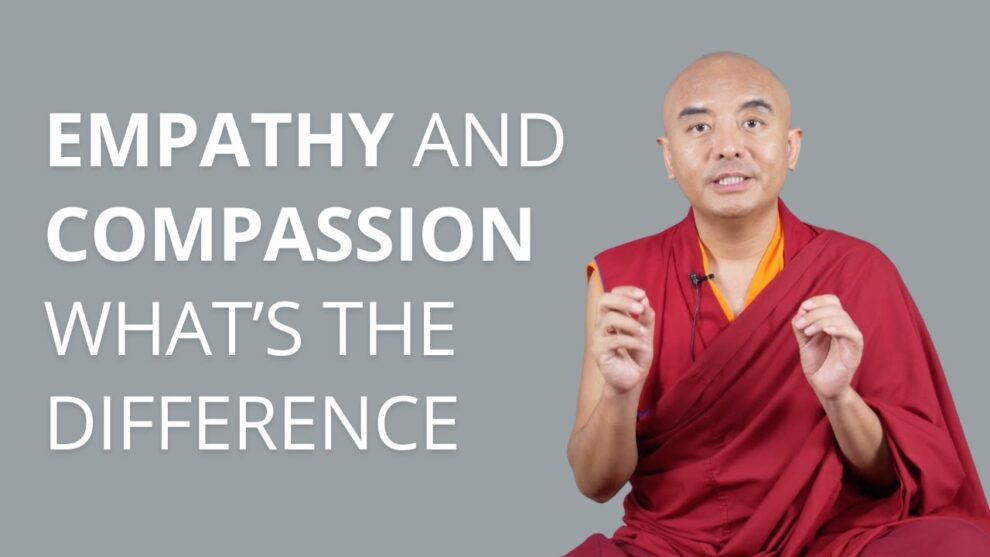


Compassion vs empathy represents a crucial distinction in how humans respond to suffering. Empathy is the capacity to feel what another feels—to share their emotional state. Compassion adds the desire to relieve that suffering, moving beyond shared feeling into action. As researcher Paul Gilbert explains, “Compassion is not just about being kind; it involves a deep awareness of suffering coupled with the motivation to alleviate it.”
The key difference lies in what each produces. Empathy connects us to another’s pain—we feel their grief, fear, or joy alongside them. This connection is powerful but can become overwhelming. Compassion transforms this shared feeling into motivation to help. It maintains enough emotional distance to act effectively. Empathy says, “I feel your pain.” Compassion says, “I feel your pain, and I want to help.”
What makes this distinction critical is its impact on well-being. Research using fMRI reveals that empathy and compassion activate different neural networks. Empathy engages the anterior insula and anterior cingulate cortex—regions associated with pain and emotional resonance. Compassion activates reward and affiliation circuits, including the ventral striatum and medial orbitofrontal cortex. This explains why pure empathy can lead to burnout while compassion sustains. Compassion protects against empathic distress by adding the dimension of care without absorption.
Empathy feels with another; compassion moves for another. Both matter, but compassion sustains where empathy alone exhausts. As the Dalai Lama concluded, “If you want others to be happy, practice compassion. If you want to be happy, practice compassion.”