




Compassion is the deep awareness of another person’s suffering, coupled with the genuine desire to relieve it. Unlike empathy (feeling with someone) or sympathy (feeling for someone), compassion includes a motivational component—the urge to take action to help. As the Dalai Lama explained, “Compassion is not a relationship between the healer and the wounded. It is a relationship between equals. Compassion becomes real when we recognise our shared humanity.”
Key Components of Compassion
- Recognition: Noticing that someone is suffering
- Emotional resonance: Feeling moved by that suffering (affective component)
- Motivation: The genuine desire to help
- Action: Taking steps to alleviate suffering (when possible)
Compassion vs. Related Concepts
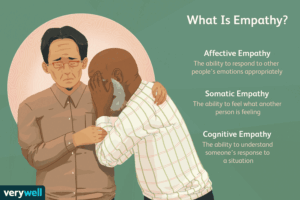
- Empathy: Feeling with someone; sharing their emotional experience
- Sympathy: Feeling for someone; pity from a distance
- Compassion: Feeling for someone + motivation to help
Research distinguishes compassion from empathy in important ways. A 2013 study by Singer and Klimecki found that compassion training—unlike empathy training—leads to positive feelings, increased resilience, and reduced burnout. While empathy can lead to empathic distress (feeling overwhelmed by others’ pain), compassion activates brain regions associated with reward and affiliation, making it more sustainable for caregivers, healthcare workers, and anyone regularly exposed to suffering.
Benefits of Compassion
- Reduces burnout and empathic distress
- Increases resilience and positive emotions
- Strengthens social bonds and cooperation
- Improves mental health and well-being
- Can be cultivated through specific meditation practices (e.g., loving-kindness meditation)
Compassion is not pity, nor is it emotional fusion. It is the conscious choice to see another’s pain and respond with care and action—while maintaining healthy boundaries. As researcher Paul Gilbert explains, “Compassion involves sensitivity to suffering in self and others with a commitment to try to alleviate and prevent it.” It is both an innate human capacity and a trainable skill that can be strengthened through practice.