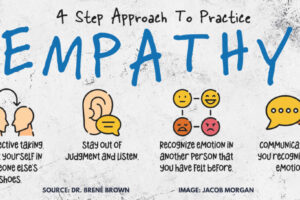
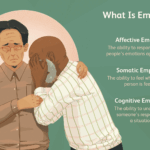







Empathy in marriage is the capacity of spouses to understand, share, and respond to each other’s emotional experiences with consistent care. It forms the invisible architecture that supports lifelong partnership. Without empathy, marriages become parallel lives rather than shared ones. As psychologist Dr John Gottman explains, “Empathy is the bedrock of marriage. It allows couples to repair conflicts and deepen their bond over decades.”
Empathetic marriage manifests in everyday moments—noticing fatigue after a difficult day, celebrating small victories, offering comfort without solutions. It means listening to understand rather than to rebut. It means validating feelings even when perspectives differ. This daily attunement builds what Gottman calls an “emotional bank account”—reserves of goodwill that sustain couples through inevitable storms. As he notes, “Happy marriages are not those without conflict, but those where partners can repair conflicts through empathic connection.”
What makes empathy powerful in marriage is its protective function. Empathetic couples navigate disagreements without wounding each other. Another compelling aspect is its role in sustaining desire. Feeling understood creates safety, and safety allows vulnerability, and vulnerability fuels intimacy. Empathy also helps couples grow together across changing seasons of life. As author and poet Kahlil Gibran wrote, “Let there be spaces in your togetherness. Empathy fills those spaces with understanding rather than distance.”
Empathy in marriage transforms two individuals into a resilient union. It ensures that through all of life’s changes, each partner remains known. As Gottman concluded, “The simple act of turning toward your partner’s bids for connection—again and again—is the secret to lasting love.”
| Day | Empathy in Marriage – Daily Practice Topic | Development |
|---|---|---|
| Day 1 | Active listening to your spouse without interruption | Builds trust and respectful communication |
| Day 2 | Understanding your partner’s emotions | Improves emotional connection and support |
| Day 3 | Expressing appreciation and gratitude | Strengthens positive feelings in the relationship |
| Day 4 | Perspective-taking during disagreements | Reduces conflicts and increases mutual respect |
| Day 5 | Sharing daily experiences openly | Encourages transparency and emotional bonding |
| Day 6 | Practicing patience during stressful moments | Develops emotional control and understanding |
| Day 7 | Offering help and emotional support | Creates a sense of partnership and care |
| Day 8 | Recognizing non-verbal signals and body language | Enhances emotional awareness between partners |
| Day 9 | Showing kindness through small daily actions | Promotes warmth and affection in marriage |
| Day 10 | Reflecting together on relationship goals | Encourages long-term growth and shared vision |