
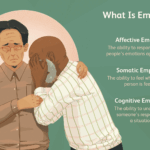
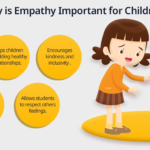







Workplace empathy training has become an essential part of modern organisational development. As workplaces grow more diverse and communication becomes more complex, understanding the feelings and perspectives of colleagues is critical for maintaining healthy professional relationships. Empathy training helps employees recognise emotional cues, listen more carefully, and respond in ways that show respect and understanding. This approach creates a supportive environment where individuals feel comfortable sharing ideas and collaborating with others.
| Day | Training Topic | Activities | Skills Developed |
|---|---|---|---|
| Day 1 | Introduction to workplace empathy training | Overview session, discussion about empathy in professional life, short assessment of communication habits | Understanding the concept and value of empathy at work |
| Day 2 | Emotional Awareness | Exercises on recognizing personal emotions, group discussion on emotional responses in the workplace | Emotional awareness and self-reflection |
| Day 3 | Active Listening | Listening drills, partner conversation practice, feedback exercises | Strong listening and attention skills |
| Day 4 | Understanding Others’ Perspectives | Role-playing workplace situations, perspective-taking activities | Ability to see situations from colleagues’ viewpoints |
| Day 5 | Empathy in Conflict Resolution | Case studies, problem-solving discussions, workplace scenario simulations | Managing disagreements with empathy and respect |
| Day 6 | Empathy in Team Collaboration | Team-building activities, group problem solving, trust exercises | Cooperation, support, and stronger teamwork |
| Day 7 | Practical Application and Review | Reflection session, action plan creation, evaluation of learning outcomes | Applying empathy skills in daily workplace interactions |
One of the main goals of workplace empathy training is to improve communication among team members. Many workplace conflicts arise not from major disagreements but from misunderstandings and lack of emotional awareness. Through structured exercises, role-playing, and group discussions, employees learn how to interpret tone, body language, and emotional signals during conversations. These skills allow individuals to communicate more thoughtfully and reduce unnecessary tension in the workplace.
Another important benefit of workplace empathy training is the improvement of leadership effectiveness. Managers and supervisors who demonstrate empathy are better able to understand employee concerns, provide meaningful feedback, and motivate their teams. When leaders show that they genuinely care about the well-being of their employees, trust and loyalty increase across the organization. This type of leadership also encourages open dialogue and constructive problem-solving.
Organizations that invest in workplace empathy training often see long-term cultural improvements. Employees tend to become more cooperative, supportive, and engaged in their work. A culture built on empathy promotes mutual respect, reduces workplace stress, and strengthens teamwork. Over time, these positive changes contribute to higher productivity, better employee retention, and a more positive organizational reputation.