

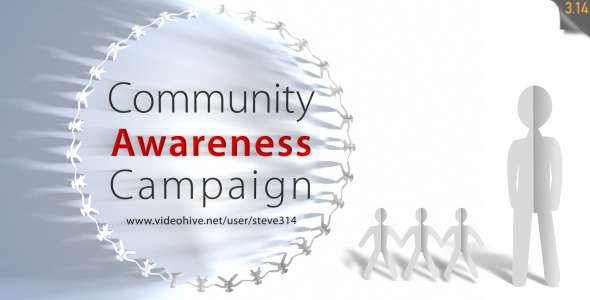


Community awareness refers to the understanding and knowledge people have about the issues, needs, and challenges within their local society. It encourages individuals to recognize problems such as health concerns, environmental damage, poverty, education gaps, or social inequality. When people are aware, they are more likely to take responsibility and support positive change. Community awareness also helps build stronger connections among residents by encouraging cooperation, empathy, and shared responsibility for improving living conditions. Raising community awareness is important because it leads to collective action and long-term development. Through campaigns, education programs, social media, and local events, people can be informed about important topics and motivated to participate in solutions. When communities are aware and active, they can prevent problems, support vulnerable groups, and create a safer and healthier environment for everyone. Ultimately, awareness turns individuals into active contributors to society rather than passive observers.
Community awareness program planning is a structured process that helps organizations work collaboratively with communities to address shared concerns. A clear engagement plan ensures your efforts are intentional, inclusive, and aligned with community needs rather than operating on assumptions. Start with a strong foundation. Before planning any activities, define your purpose. Ask: What problem are we trying to solve? Why does this community need awareness? Ensure your team is aligned internally before reaching out externally. Being transparent and inclusive from the beginning builds trust and credibility.
Identify who to involve and how. Conduct stakeholder analysis to understand which groups are affected by the issue. Consider communities of place (where people live), communities of interest (shared concerns such as cycling or library access), and protected characteristics under equality laws. Choose participation methods based on the level of influence the community will have :
- Inform: Share facts through flyers, websites, and newsletters
- Consult: Gather opinions via surveys, public meetings, and feedback forms
- Involved: Work directly with communities through workshops and events
- Collaborate: Partner with community members as equal decision-makers
- Empower: Place final decisions in the community’s hands
Make participation accessible. Remove barriers that prevent people from getting involved. This means providing translation services, choosing accessible venues, offering childcare or transport support, scheduling meetings at convenient times, and using multiple channels (online and in-person) to reach different groups. Remember that communities have varying comfort levels with technology, so don’t rely solely on digital tools.
Set SMART goals and a timeline. Create objectives that are Specific, Measurable, Achievable, Relevant, and Time-bound. For example: “Reach 500 residents through three community workshops within six weeks” or “Increase awareness of local health services by 20%, measured through pre- and post-surveys.” Build a realistic timeline that includes planning, delivery, and evaluation phases. Start engagement early—waiting too long means community input may have little impact on final decisions.
Evaluate and improve. After implementation, collect feedback from participants, review what worked and what didn’t, and measure success using clear indicators. Success isn’t just about attendance numbers—it’s also about building trust, changing perceptions, and creating ongoing relationships. Be willing to adapt and refine your approach based on lessons learned. Successful community awareness programs don’t happen by accident—they require thoughtful planning, genuine partnership, and ongoing evaluation. By knowing your purpose, involving the right people, removing barriers to participation, and measuring what matters, you create awareness efforts that resonate with communities and lead to lasting change. Always remember: the community knows its own needs best, so your role is to listen, support, and collaborate.