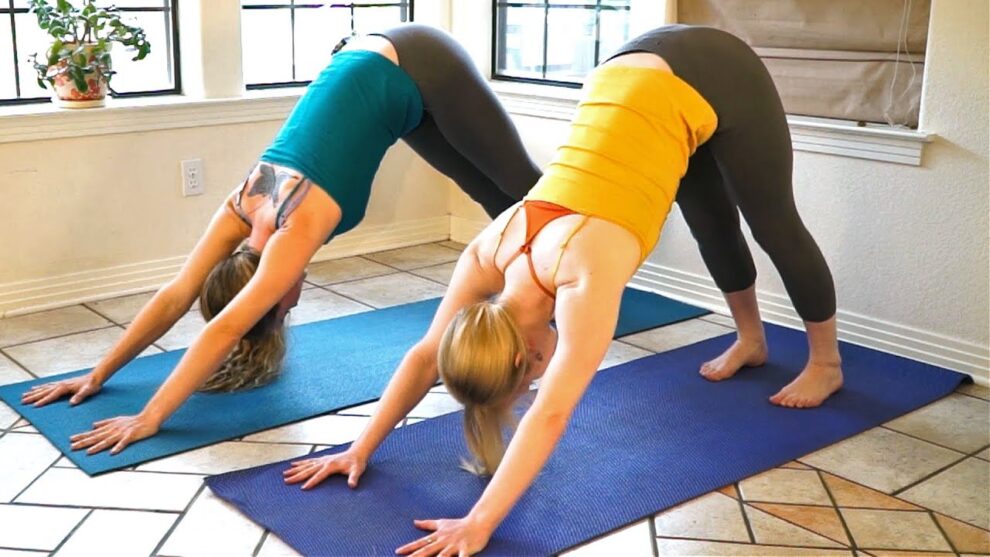


Yoga offers powerful relaxation techniques that help calm the mind, reduce stress, and restore inner balance. Through controlled breathing exercises, gentle stretching, and mindful meditation, yoga encourages the body to release physical tension and mental fatigue. Practices such as deep breathing (pranayama) and slow-flow movements help lower anxiety levels while improving concentration and emotional stability. These techniques create a peaceful connection between the body and mind, allowing individuals to feel more refreshed and centered.
Relaxation-focused yoga practices are beneficial for people of all ages and lifestyles, especially those dealing with busy schedules or emotional stress. Poses like Child’s Pose, Legs-Up-the-Wall, and Savasana are commonly used to promote deep relaxation and improve sleep quality. Regular practice can also help regulate heart rate, improve flexibility, and support overall well-being. By dedicating even a few minutes daily to yoga relaxation techniques, individuals can develop a healthier response to stress and experience greater calmness in everyday life.
Yoga relaxation techniques offer a safe, accessible, and evidence‑based path to calm the nervous system and reduce stress. Controlled trials find that yoga works as effectively as traditional therapy for lowering anxiety, with a major JAMA Psychiatry study showing yoga ranks among the top 5% of all research for societal impact.
Key Evidence
- An 8‑week yoga training program (3 sessions/week, 45 min) significantly modified heart rate variability (HRV), shifting the nervous system from sympathetic (stress) to parasympathetic (relaxation) dominance.
- A meta‑analysis of 30 studies (2,288 participants) found that yoga interventions improve stress (ES = –0.54), anxiety (ES = –0.52), and depression (ES = –0.50), with older adults showing even greater benefits.
- A single session of yoga or its components reduced acute stress reactivity in 71% of studies measuring physiological outcomes and 65% measuring psychological outcomes.
Relaxation and Calm: Core Techniques
- Restorative Yoga uses props (blankets, bolsters) to fully support the body, activating the parasympathetic nervous system and allowing down‑regulation from chronic stress.
- Yoga Nidra (“yogic sleep”) is a guided supine meditation that elicits deep physiological rest while maintaining awareness. PET imaging shows increased dopamine release in the ventral striatum during Nidra – a neurochemical signature of reward. Controlled trials in insomnia report shorter sleep‑onset latency, longer total sleep time, and lower perceived stress, anxiety, and depression.
- Gentle asanas such as Cat‑Cow (spinal mobility), Child’s Pose (lower back release), Legs‑Up‑the‑Wall (circulation, relaxation), and Corpse Pose (Savasana) with extended exhale (4‑second inhale, 8‑second exhale) trigger the relaxation response. Even short sessions (10–15 minutes) of breathwork and gentle movement shift the nervous system toward calm.
Practice Guidelines
For optimal relaxation, practice 2–3 sessions per week (30–60 minutes). Even 8–12 short yoga or yogic breathing sessions significantly reduce stress and improve emotional regulation. A healthcare provider should be consulted before beginning any new exercise regimen.