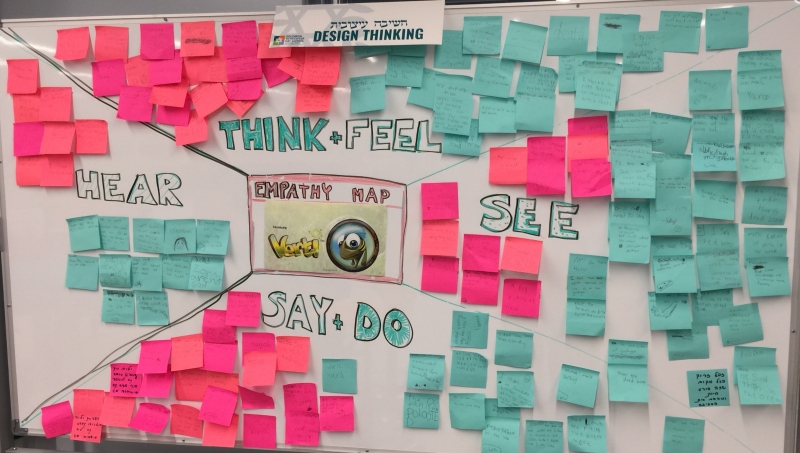
Empathy development in children is the gradual process through which young humans learn to recognise, understand, and respond to the feelings of others. This capacity unfolds naturally but requires nurturing from caregivers and the environment. Empathy does not appear suddenly—it grows in...
Layout A (with pagination)
Building empathy in kids is the intentional process of nurturing their capacity to understand and care about others’ feelings. Empathy is not simply present at birth—it develops through guidance, example, and practice. Parents and educators play crucial roles in this growth. As...
Empathy in education is the intentional practice of understanding and valuing students’ perspectives, emotions, and experiences within the learning environment. It recognises that education is not just about transferring knowledge but about nurturing whole human beings. When empathy...
Empathy in teaching is the practice of understanding and responding to students’ emotional and academic needs from their perspective. It moves beyond delivering content to connecting with learners as whole human beings. As Paulo Freire wrote, “Education changes people. People...
Empathy and emotional intelligence are deeply interconnected capacities. Emotional intelligence is recognising and managing your own emotions. Empathy extends this awareness outward—understanding and responding to the emotions of others. As Daniel Goleman explained, “Empathy...