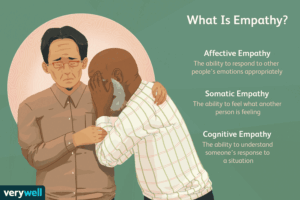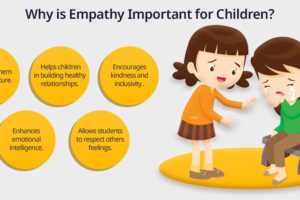




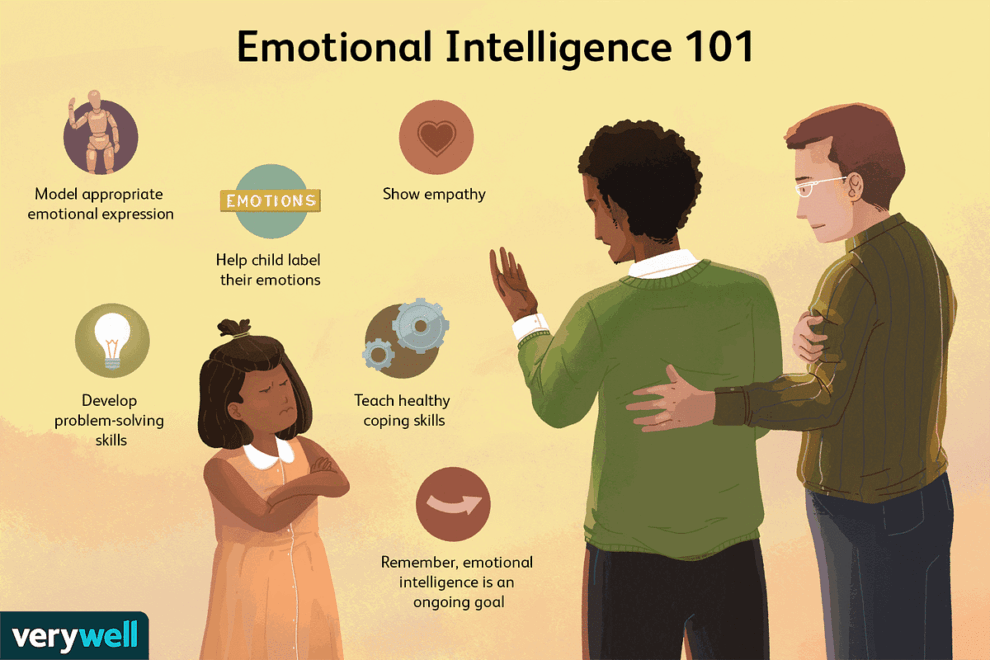


Empathy and emotional intelligence are closely connected skills that help individuals understand, manage, and respond to emotions—both their own and those of others. Empathy is the ability to put yourself in someone else’s situation and genuinely understand how they feel. Emotional intelligence goes a step further by combining empathy with self-awareness, self-regulation, motivation, and social skills. Together, they form the foundation for meaningful communication and healthy relationships in both personal and professional life. In the workplace, emotional intelligence plays a crucial role in teamwork, leadership, and conflict resolution. Leaders who can recognize emotional cues and respond with empathy tend to build stronger trust within their teams. Instead of reacting impulsively to stress or disagreement, emotionally intelligent individuals pause, understand the situation, and choose responses that reduce tension and encourage cooperation. This creates a more positive and productive environment where people feel valued and heard.
On a personal level, empathy helps improve relationships by reducing misunderstandings and increasing compassion. When people actively listen and try to understand different perspectives, they are less likely to judge or react harshly. Emotional intelligence also helps individuals handle their own emotions in a healthier way, leading to better decision-making and reduced stress. Over time, developing these skills contributes to stronger connections, greater resilience, and a more balanced life.Empathy and emotional intelligence are deeply interconnected capacities. Emotional intelligence is recognising and managing your own emotions. Empathy extends this awareness outward—understanding and responding to the emotions of others. As Daniel Goleman explained, “Empathy represents the foundation skill for all social competencies.”
Emotional intelligence provides the groundwork; empathy builds upon it. Without understanding your own feelings, reading another’s becomes impossible. Self-awareness allows accurate perception of others. Self-regulation prevents being overwhelmed by one’s pain. As Goleman notes, “If you are unaware of your own emotions, you will be poor at reading them in other people.”
Each skill reinforces the other. Strong emotional intelligence deepens empathy; practising empathy strengthens emotional intelligence. Together, they predict better leadership, stronger relationships, and greater well-being. They also protect against burnout by balancing connection with self-care.
Self-awareness enables other-awareness; self-regulation enables compassionate response. Together, they form social competence. As Goleman concluded, “We have two minds—one that thinks and one that feels. They operate in tight harmony.”