Layout A (with pagination)

Self-Consciousness & Self-Esteem
LIVE CONSCIOUS

Self-Consciousness & Self-Esteem

Self-consciousness and self-esteem are closely interconnected dimensions of personality that shape how individuals perceive and value themselves. Self-consciousness involves awareness of one’s thoughts, appearance, and social image, whereas self-esteem reflects one’s overall sense of self...

Read More
MIND
LIVE CONSCIOUS

Improving Self-Consciousness

Improving self-consciousness entails refining excessive or distressing self-focus into balanced and constructive self-awareness. Although self-consciousness can generate insecurity and social discomfort, when properly regulated, it becomes a powerful mechanism for personal insight...

Read More
Self-Awareness vs Self Consciousness
LIVE CONSCIOUS

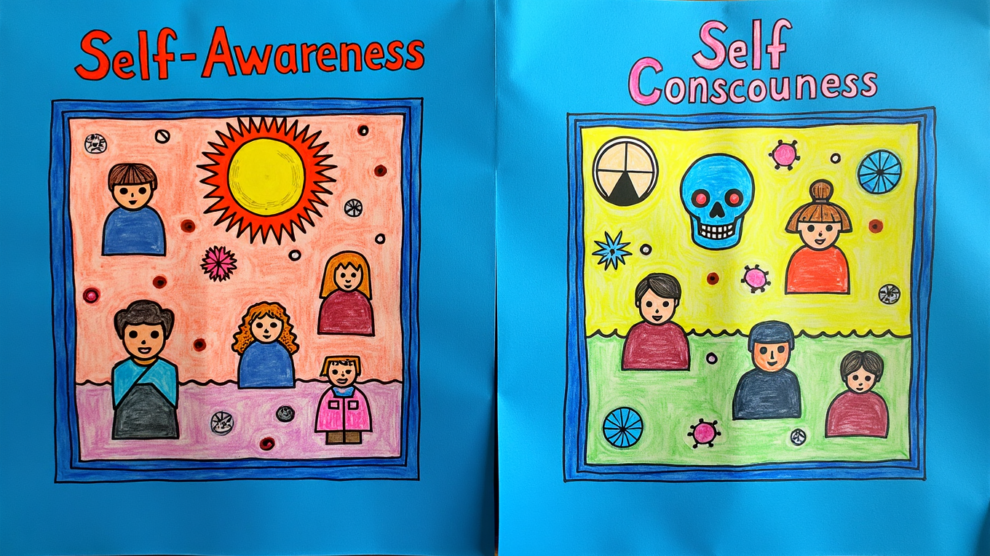
Self-Awareness vs Self Consciousness

Self-awareness and self-consciousness are related but distinct psychological concepts that influence how individuals perceive themselves. Self-awareness is the conscious knowledge of one’s thoughts, feelings, and behaviors, fostering reflection and growth. Self-consciousness, on the other...

Read More
MIND
LIVE CONSCIOUS

Self-Consciousness in Teenagers

Self-consciousness in teenagers refers to heightened awareness of one’s appearance, behaviour, and social perception during adolescence. This period, typically between ages 13 and 19, involves rapid physical, emotional, and cognitive changes, making teens particularly sensitive to how...

Read More
MIND
LIVE CONSCIOUS

Self-Consciousness Symptoms

Self-consciousness symptoms refer to the emotional, cognitive, and behavioural signs that emerge when an individual becomes excessively aware of themselves, particularly in social contexts. While a moderate level of self-awareness is normal and adaptive, heightened self-consciousness can...

Read More