



A person with no empathy, often described as having zero empathy, has a significantly reduced or completely absent ability to understand and share others’ feelings. This lack of empathy can range from mild, where certain social cues are missed, to profound, which is linked to personality disorders such as psychopathy or narcissism. The term “affectionless psychopathy” was historically used to describe individuals who, after severe early childhood deprivation, were unable to form emotional bonds.
Common signs of low empathy include:
- Being highly critical or blaming others for their emotional distress.
- Thinking that a bad situation “would never happen to them” because they could handle it better.
- Dismissing others by calling them “too sensitive”.
- Struggling to maintain close relationships due to a lack of emotional reciprocity.
- In the case of psychopathy, the person displays callous, manipulative behaviour and a lack of remorse.
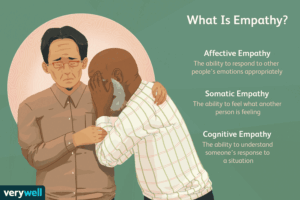
For some, this lack of empathy is a permanent personality trait. Unlike someone on the autism spectrum, who may struggle with cognitive empathy (understanding why you feel a certain way) but still have strong morals, a person with “zero negative” empathy often uses their understanding to manipulate, and they lack the affective (caring) component entirely. In other cases, low empathy can be the result of a brain injury affecting the frontal lobe, which is responsible for social behaviour, or a symptom of frontotemporal dementia (FTD) . In these situations, the change in behaviour is neurological rather than a choice.
It is important to distinguish a pathological lack of empathy from situational or temporary deficits. Empathy exists on a spectrum; everyone may struggle with it at times, especially when stressed, tired, or interacting with someone who has hurt them. Additionally, conditions like alexithymia (difficulty identifying one’s own emotions) can make a person appear insensitive even if they do feel empathy.
While empathy can be learned and practised in a healthy brain, those with severe personality disorders like psychopathy rarely change. The treatment approach is often based on harm reduction rather than a “cure,” focusing on managing behaviour rather than building a genuine emotional connection. For family members of someone with a brain injury or dementia, support groups and grief counselling are crucial for coping with the loss of the person they once knew.