






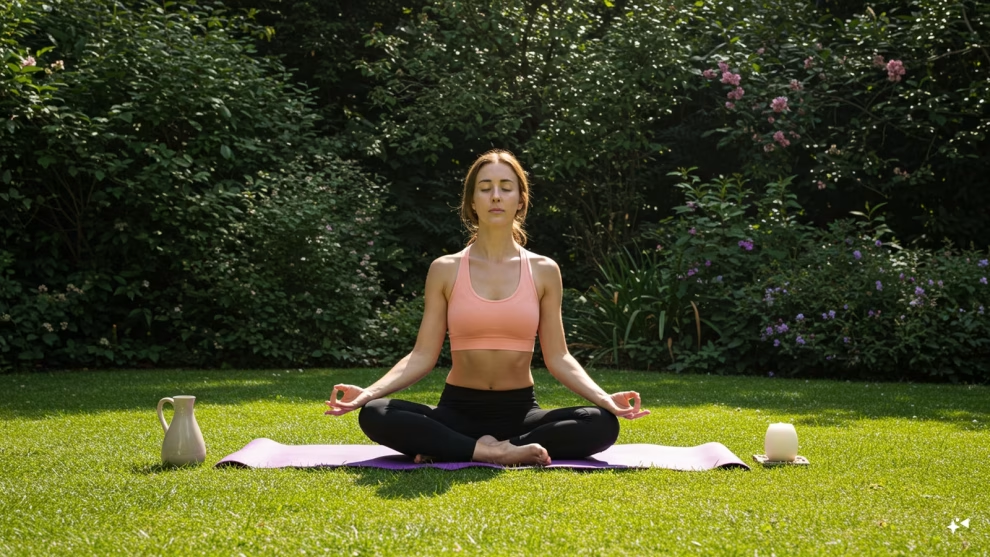


Yoga for mental health significantly reduces stress, anxiety, and depression. A 2026 meta-analysis of 30 controlled studies (2,288 participants) found that yoga improved stress (ES = -0.54), anxiety (ES = -0.52), and depression (ES = -0.50), with older adults showing greater benefits. Yoga plays a powerful role in supporting mental health by helping to reduce stress, anxiety, and emotional tension. Through mindful breathing, gentle movements, and focused attention, yoga activates the body’s relaxation response, which can lower cortisol levels and calm the nervous system. Regular practice helps improve mood, increase emotional stability, and reduce symptoms of anxiety and depression. Even a short daily session can create a noticeable difference in how the mind handles pressure and challenges.
Beyond relaxation, yoga also improves mental clarity and self-awareness. Practices like meditation and breath control encourage individuals to stay present, which reduces overthinking and negative thought patterns. This increased awareness helps people respond more calmly to difficult situations instead of reacting impulsively. Over time, yoga builds resilience, focus, and a more balanced emotional state, making it a valuable tool for long-term mental well-being.
Research Findings
- Medical students (8-week RCT, 120 participants, daily 45-min yoga): Large improvements: perceived stress (rpb = -0.301, p = 0.004), state anxiety (d = -0.86), depression (d = -1.10); also reduced blood pressure and pulse rate (p < 0.001).
- Isha Yoga review (9 studies, 9,800+ participants): Moderate-to-large reductions in stress (d = 0.27-0.94), anxiety and depression (d = 0.48-1.88), with stronger effects at ≥3-4 days/week.
- Medical/dental students meta-analysis (18 studies, 1,214 participants): Stress reduced by 0.77 on standardised assessments (p < 0.0001), anxiety by 1.2 points (p = 0.01); systolic BP down 6.82 mmHg (p = 0.002).
How Yoga Supports Mental Health
- Activates parasympathetic nervous system (rest-and-digest) via vagal tone
- Lowers cortisol and increases GABA (calming neurotransmitter)
- Improves heart rate variability and emotional regulation
For optimal benefits, practice 2-5 sessions per week (30-60 minutes each). A healthcare provider should be consulted before beginning any new exercise regimen. Yoga is an effective complementary therapy for promoting mental health.