


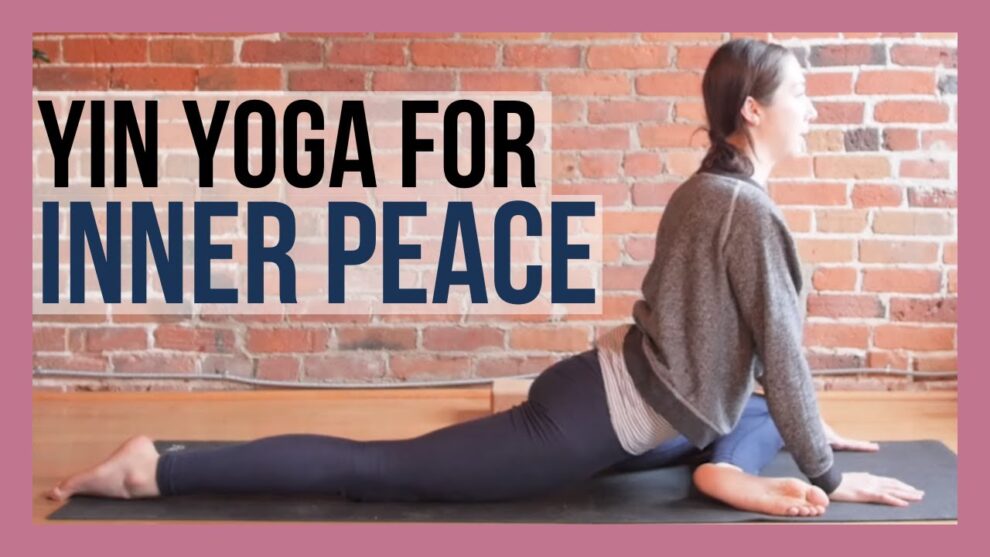


Yoga for Inner Peace is a holistic practice that integrates physical postures, breathwork, and meditation to cultivate mental tranquillity, emotional balance, and a deep sense of spiritual well-being. In Sanskrit, yoga means “union”—the harmonious connection between mind, body, and spirit. Research confirms that long-term yoga practice is positively associated with various aspects of spirituality, including a sense of meaning and peace, compassion, hope, and happiness within. A cross-sectional survey of 1,135 adults found that Gayatri mantra and yoga practitioners had significantly higher scores on the Peace of Mind Scale, Scale of General Well-being, Satisfaction with Life Scale, and Brief Resilience Scale compared with non-practitioners (all P < 0.01). Regular practice encourages self-compassion through non-judgmental awareness, helping practitioners tune in to their bodies and honour where they are each day, both physically and mentally.
Key Research Findings
- Long-term yoga practitioners (mean 10.2 years of experience) showed that all four yoga components (postures, breathing, relaxation, meditation) had medium-sized positive effects on spiritual well-being (p < 0.001; η² = 0.06–0.09), with the strongest effects observed in the personal and transcendental dimensions of spirituality.
- The duration of mantra and yoga practices, in years, was positively associated with well-being measures, indicating that long-term practice is associated with better well-being, peace of mind, life satisfaction, and resilience.
- A qualitative study revealed that practitioners describe yoga as a tool that “resets my inner peace barometer,” generating calm, mindfulness, self-compassion, and a sense of connectedness.
- Benefits were maintained at 2- and 12-month follow-ups even when home practice declined, suggesting lasting neural and behavioural changes.
How Yoga Cultivates Inner Peace
- Activates the parasympathetic nervous system via the vagus nerve, shifting from “fight-or-flight” to “rest-and-digest” mode
- Reduces cortisol (stress hormone) and increases GABA (calming neurotransmitter), promoting relaxation and emotional balance
- Increases activity in the prefrontal cortex, which is responsible for emotional regulation and behavioural control
- Enhances self-compassion and mindfulness; in a study of 42 participants, 8-week yoga interventions improved self-compassion (η² = 0.08) and distress tolerance (η² = 0.13), with effects maintained at 12-month follow-up
- Helps practitioners “short-circuit the body’s stress response and move toward a greater sense of inner peace” through conscious inward attention
Key Poses for Inner Peace
- Child’s Pose (Balasana): Gentle forward bend with a soothing effect on the nervous system; evokes a sense of self-care and self-acceptance; hold up to 4 minutes
- Legs-Up-the-Wall (Viparita Karani): Gently stimulates the parasympathetic nervous system; hold up to 3 minutes
- Supine Spinal Twist (Supta Matsyendrasana): Promotes physical and mental release while providing a sense of balance and equilibrium; hold 1-2 minutes per side
- Corpse Pose (Savasana): Cultivates mindfulness, self-compassion, and overall emotional well-being; hold 4-5 minutes
- Centering and Breath Awareness (Sukhasana): Observing breath without controlling it quiets intrusive thoughts and promotes mental clarity; practice 2 minutes
For optimal inner peace, practice 2-3 sessions per week (30-60 minutes each), or even 20 minutes daily, combining asanas, pranayama, and meditation. The NHS notes that yoga aims for “ultimate physical health and happiness, together with mental peace and tranquillity”. As one practitioner reflected, “Yoga has given me the ability and awareness to really connect with my body… it has enhanced my relationship with myself” . A healthcare provider should be consulted before beginning any new exercise regimen.