






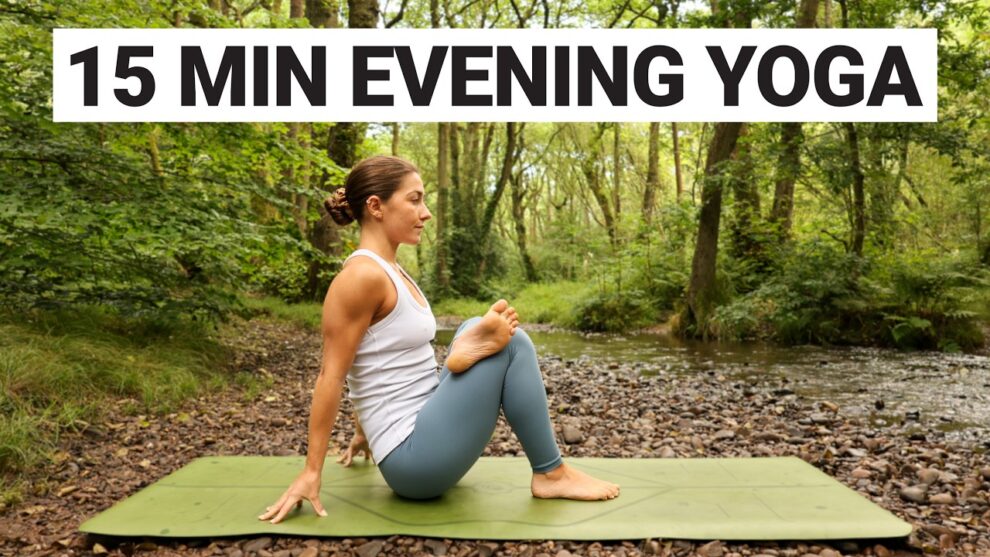


YYoga for an evening routine is a gentle and effective way to relax the body and mind after a long day. In the evening, the body naturally begins to slow down, making it the perfect time for stretching, deep breathing, and calming movements. Simple yoga poses such as forward bends, light stretches, and breathing exercises help release physical tension built up during the day. This practice prepares the body for restful sleep and helps create a peaceful transition from a busy day to a calm night.
The benefits of evening yoga are both physical and mental. It helps reduce stress, improve blood circulation, and relax tight muscles, especially in the neck, shoulders, and back. Evening yoga also supports better digestion and lowers stress hormones, which can improve sleep quality. Mentally, it helps calm racing thoughts, reduce anxiety, and bring emotional balance. People who practice evening yoga regularly often report feeling more refreshed, peaceful, and ready for deep, uninterrupted sleep.
Evening yoga is suitable for almost everyone, including students, working professionals, homemakers, and elderly people. It does not require advanced fitness levels or expensive equipment, making it easy to practice at home. Beginners can start with simple breathing exercises and light stretching, gradually learning more poses over time. Even people with busy schedules can benefit by practicing for just 10–20 minutes daily, as consistency is more important than intensity.
However, it is important to practice yoga safely and listen to your body. People with specific health conditions such as severe back pain, heart issues, or joint problems should choose gentle poses and may consult a healthcare professional before starting. The goal of evening yoga is not difficulty, but relaxation and balance. When practiced regularly, it becomes a healthy habit that improves sleep, reduces stress, and supports a calm and positive lifestyle.oga as part of an evening routine is an evidence-based practice that helps transition the body from daytime activity to nighttime rest. Research confirms that evening yoga supports sleep quality, reduces stress hormones, and enhances relaxation without impairing sleep.
Research Findings
A 2025 scoping review of 57 studies (6,057 participants) found that chronic yoga practice significantly improves sleep quality, with long-duration interventions (≥17 weeks) showing that 100% of studies reported significant improvements. Moderate-frequency sessions (3-4 per week) produced a large mean effect on sleep quality (9.21%), and even low-frequency sessions (1-2 per week) yielded significant improvements in insomnia severity (13.66%).
A 2024 randomised controlled trial of 33 adults with insomnia symptoms found that a single 60-minute evening vinyasa yoga session did not impair sleep, confirming that evening practice is safe for those with sleep difficulties. The study concluded that “VY in the early evening is unlikely to benefit or impair sleep in adults with insomnia symptoms”.
How Evening Yoga Promotes Relaxation
- Activates the parasympathetic nervous system via slow, deep breathing, shifting from “fight-or-flight” to “rest-and-digest” mode
- Lowers cortisol and increases melatonin production, supporting natural sleep-wake cycles
- A meta-analysis of 30 RCTs found that high-intensity yoga for less than 30 minutes, twice weekly for 8-10 weeks, was the most effective exercise for improving sleep
- Yoga likely increases total sleep time by 111 minutes (moderate-certainty evidence) and may reduce wake after sleep onset by 56 minutes
Yoga Nidra for Evening Practice
Yoga Nidra (“yogic sleep”) is particularly effective for evening relaxation. A 2025 randomised controlled trial of 362 participants found that even 11 minutes of daily Yoga Nidra practice over 2 months significantly reduced stress, anxiety, and depression, with regular practice associated with reductions in total cortisol and steeper diurnal slopes. The practice elicits deep physiological rest while maintaining awareness, with neuroimaging studies showing increased dopamine release in the ventral striatum and redistributed cerebral blood flow during Yoga Nidra.
Key Evening Poses and Practices
- Child’s Pose (2-3 min): Kneel, sit back on heels, fold forward – releases lower back tension and calms the nervous system
- Legs-Up-the-Wall (3-5 min): Lie with legs extended up a wall – improves circulation and activates parasympathetic response
- Supine Twist (1-2 min per side): Lie on back, drop knees to one side – releases spinal tension
- Corpse Pose with extended exhale (5 min): Lie flat, focus on slow exhalation (4 sec inhale, 8 sec exhale)
- Yoga Nidra (11-30 min): Guided meditation practised lying down, suitable for all levels
For optimal evening relaxation, practice 10-20 minutes nightly, ideally 30-60 minutes before bed. A healthcare provider should be consulted before beginning any new exercise regimen.